
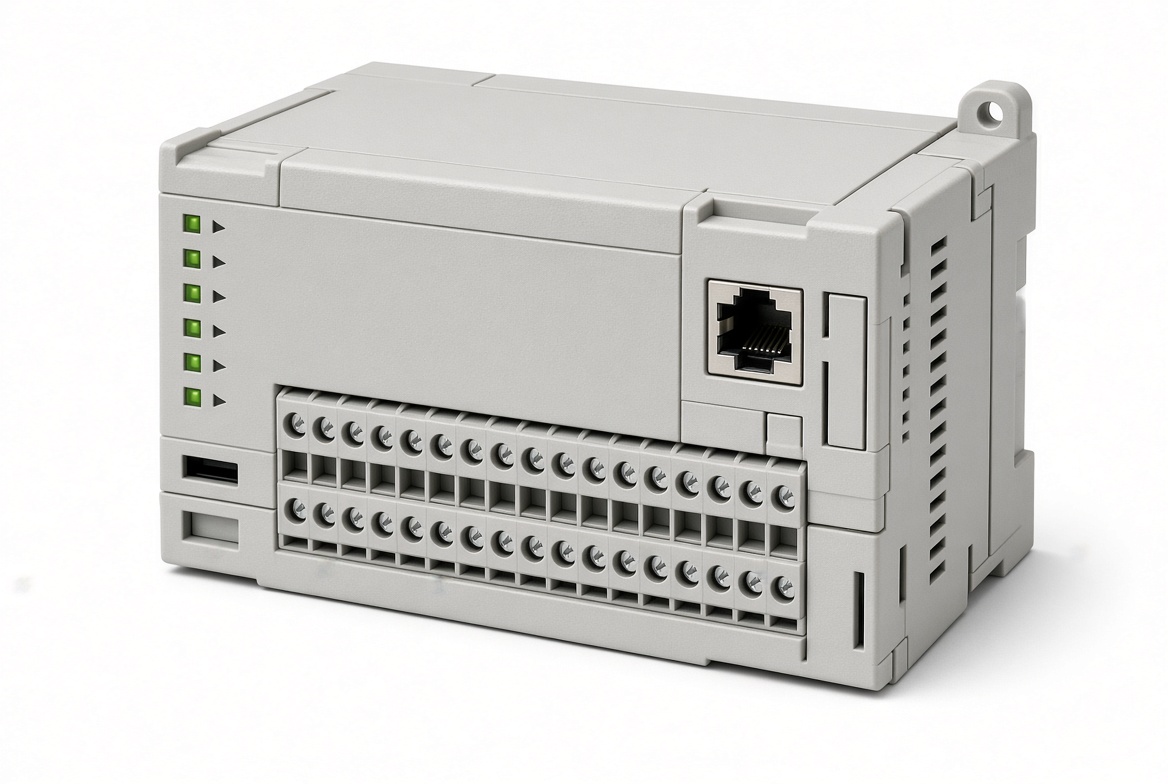
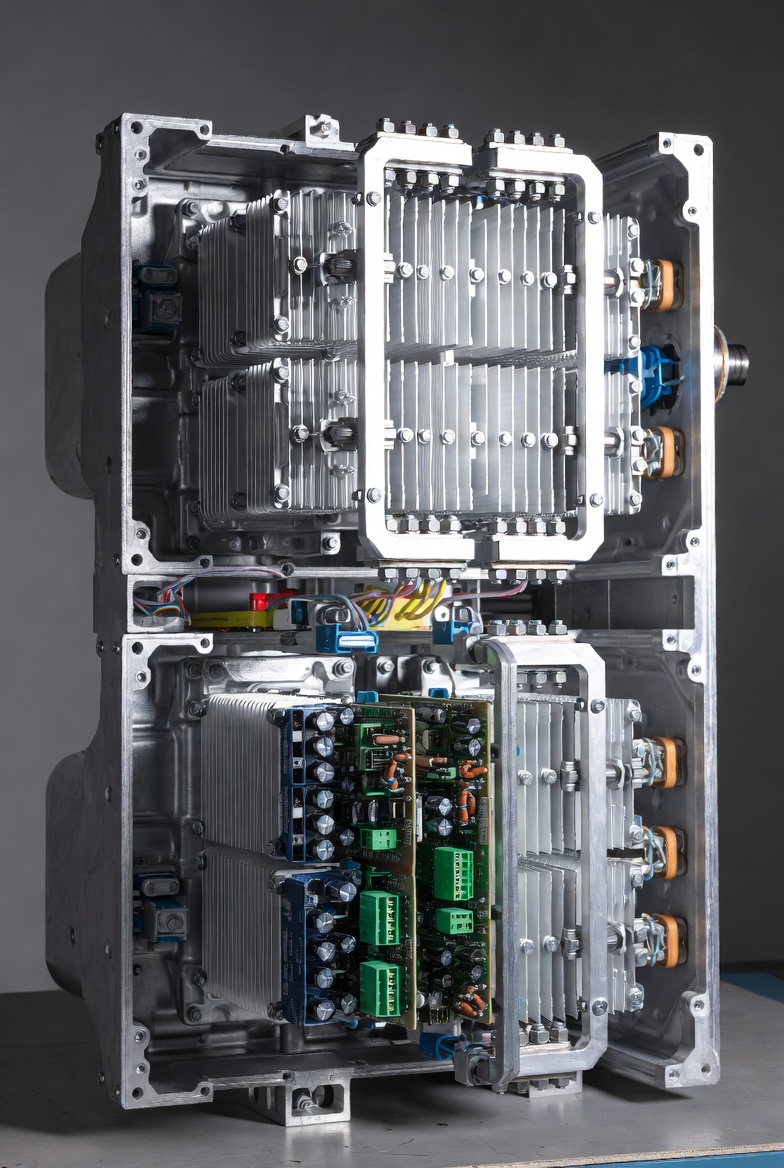
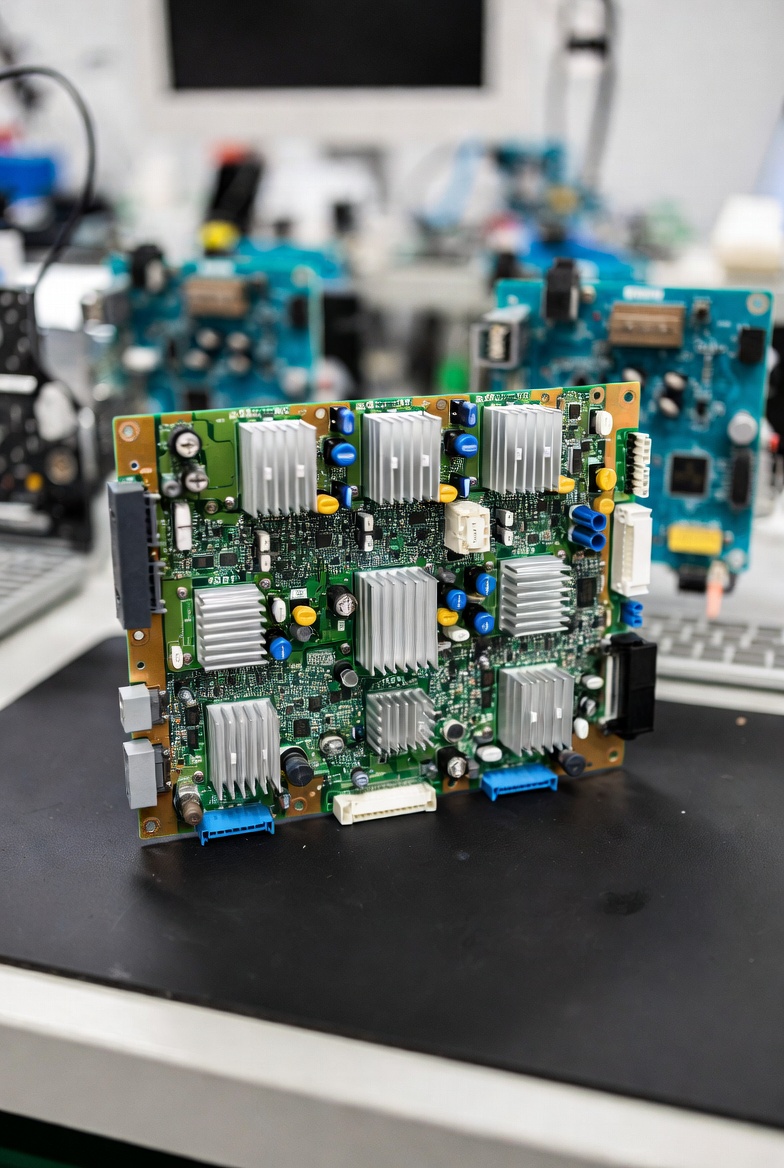
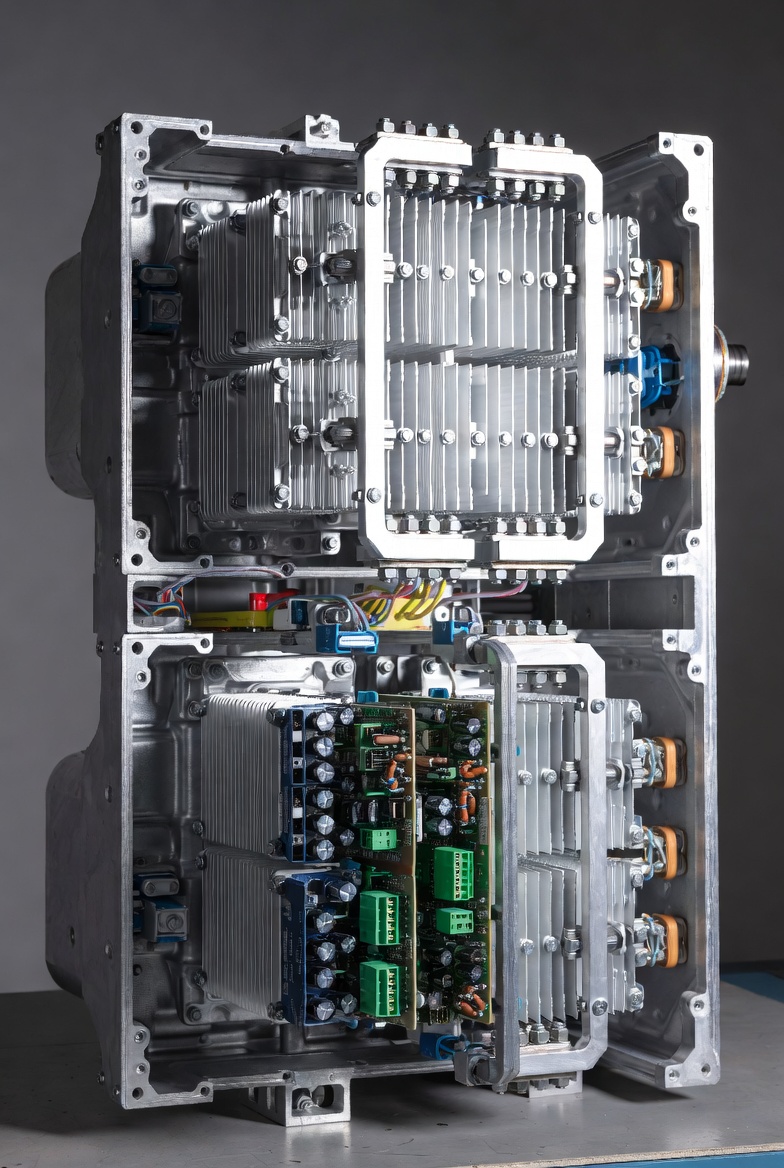
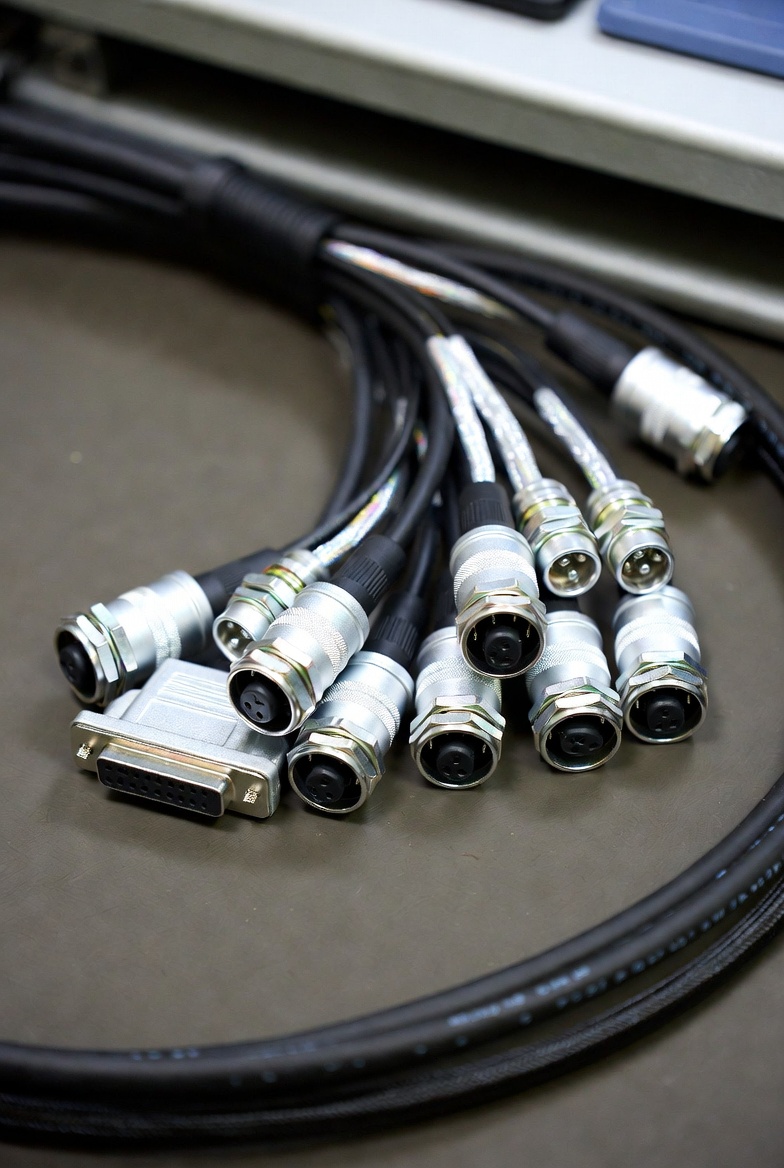
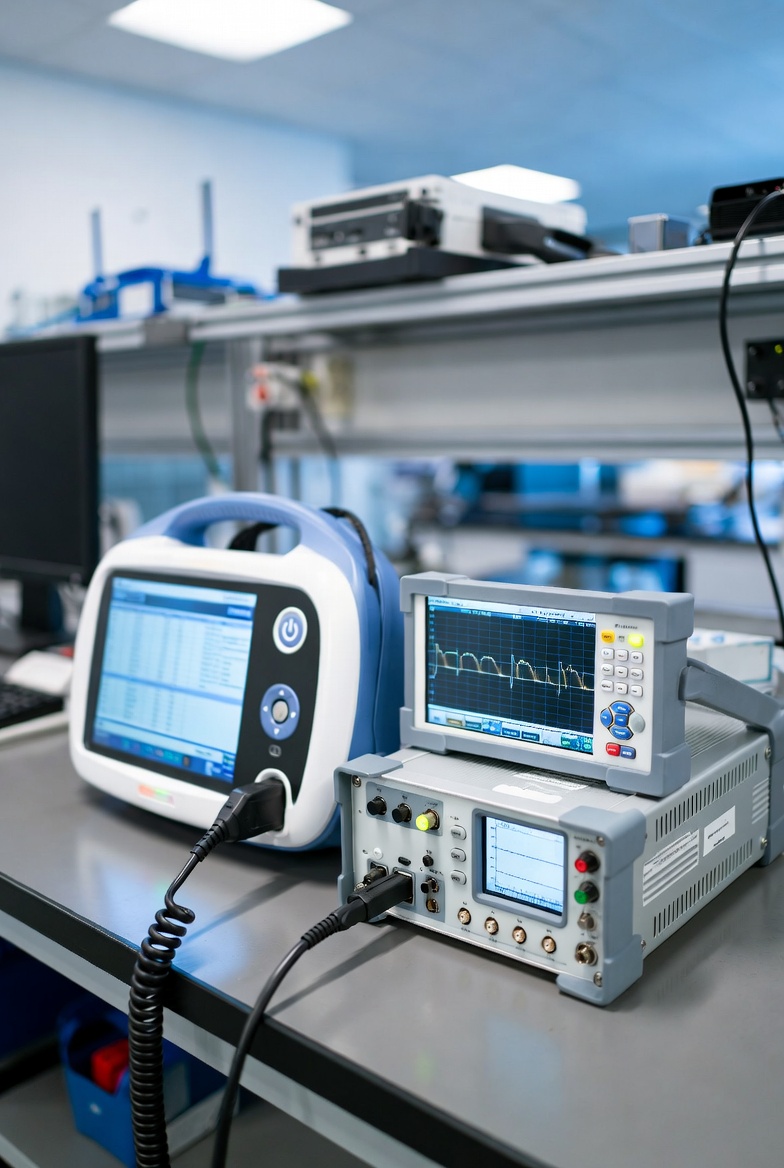
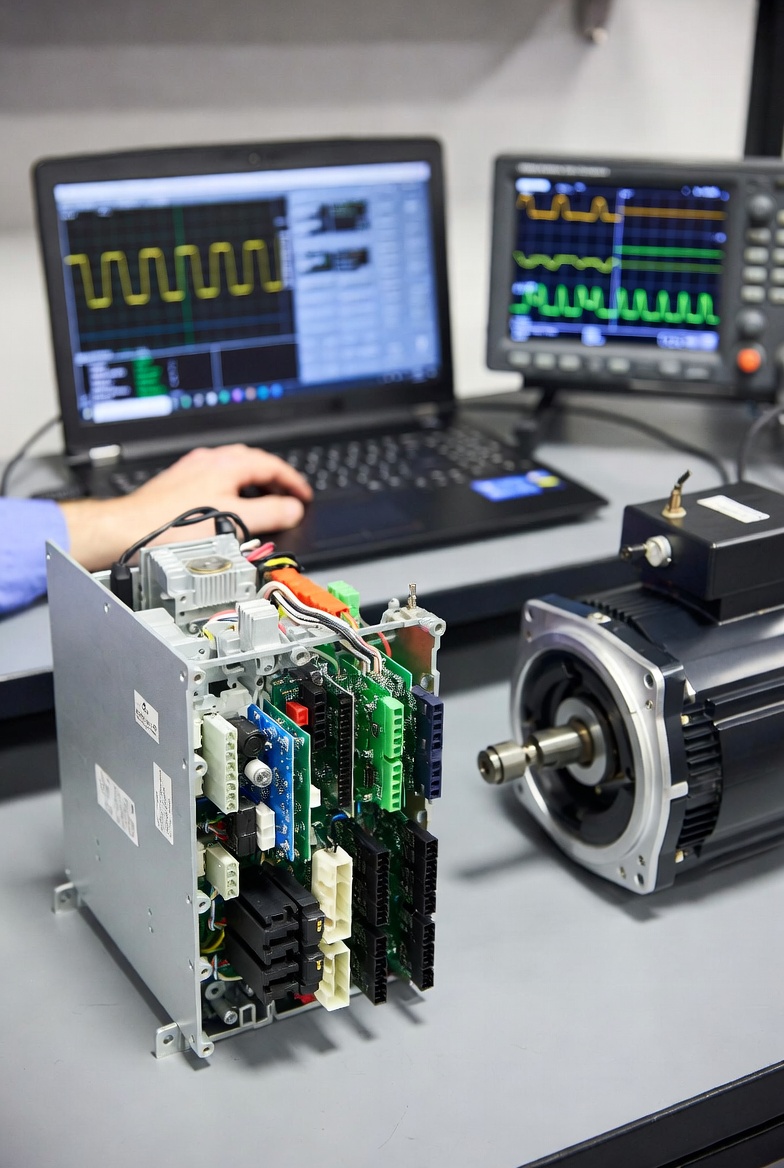




Full methodology: block partitioning, trace mapping, BOM migration for obsolete components, regenerated test bench design, and service documentation production without original schematics.
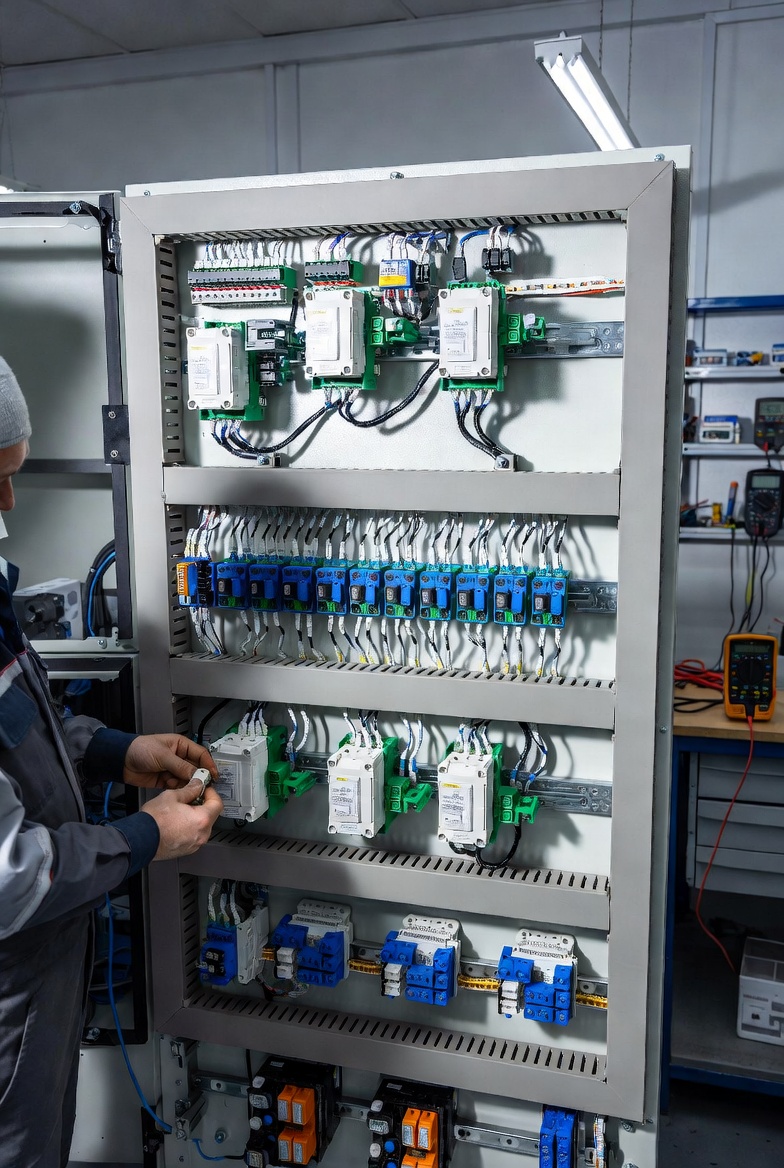
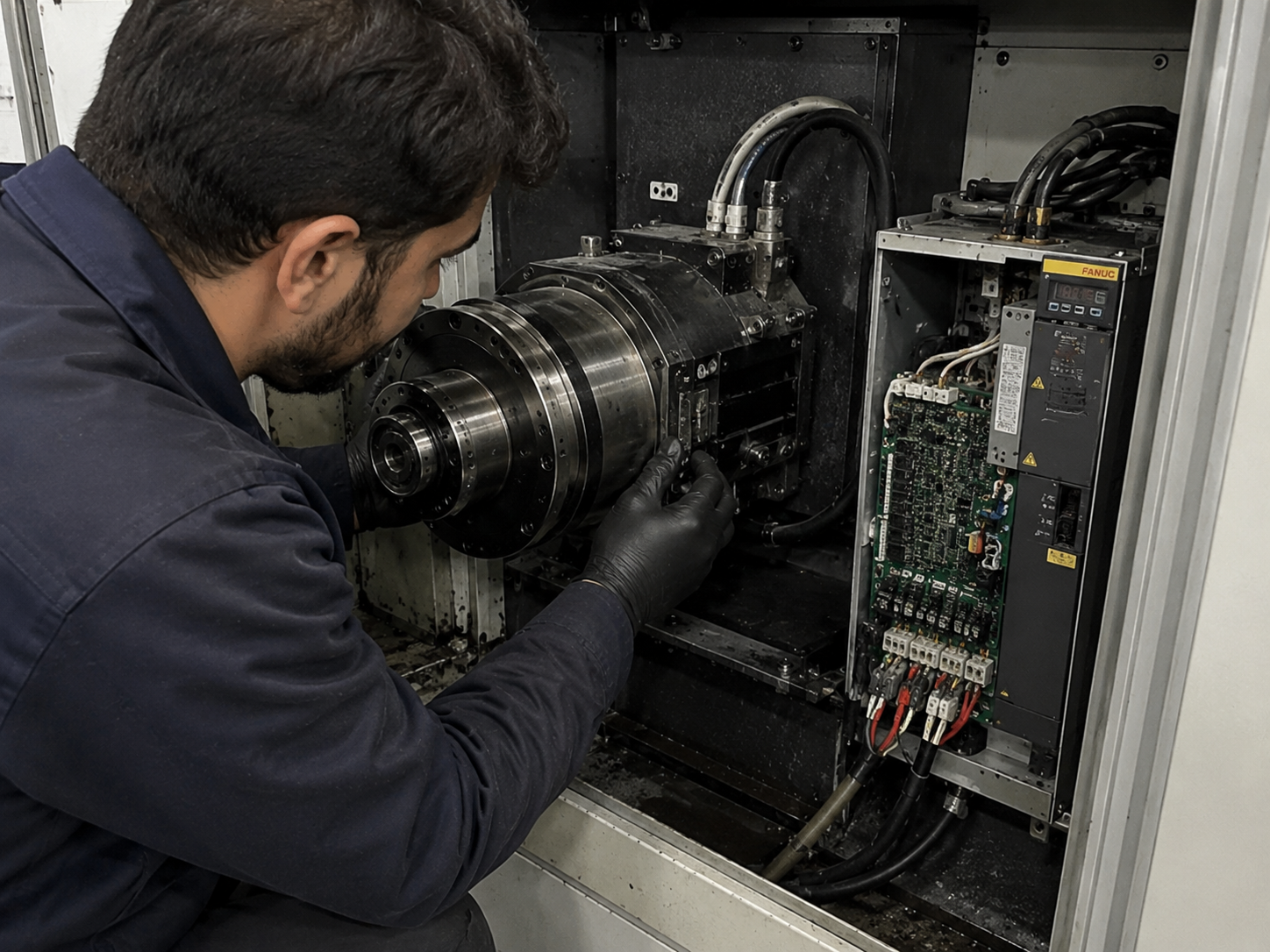
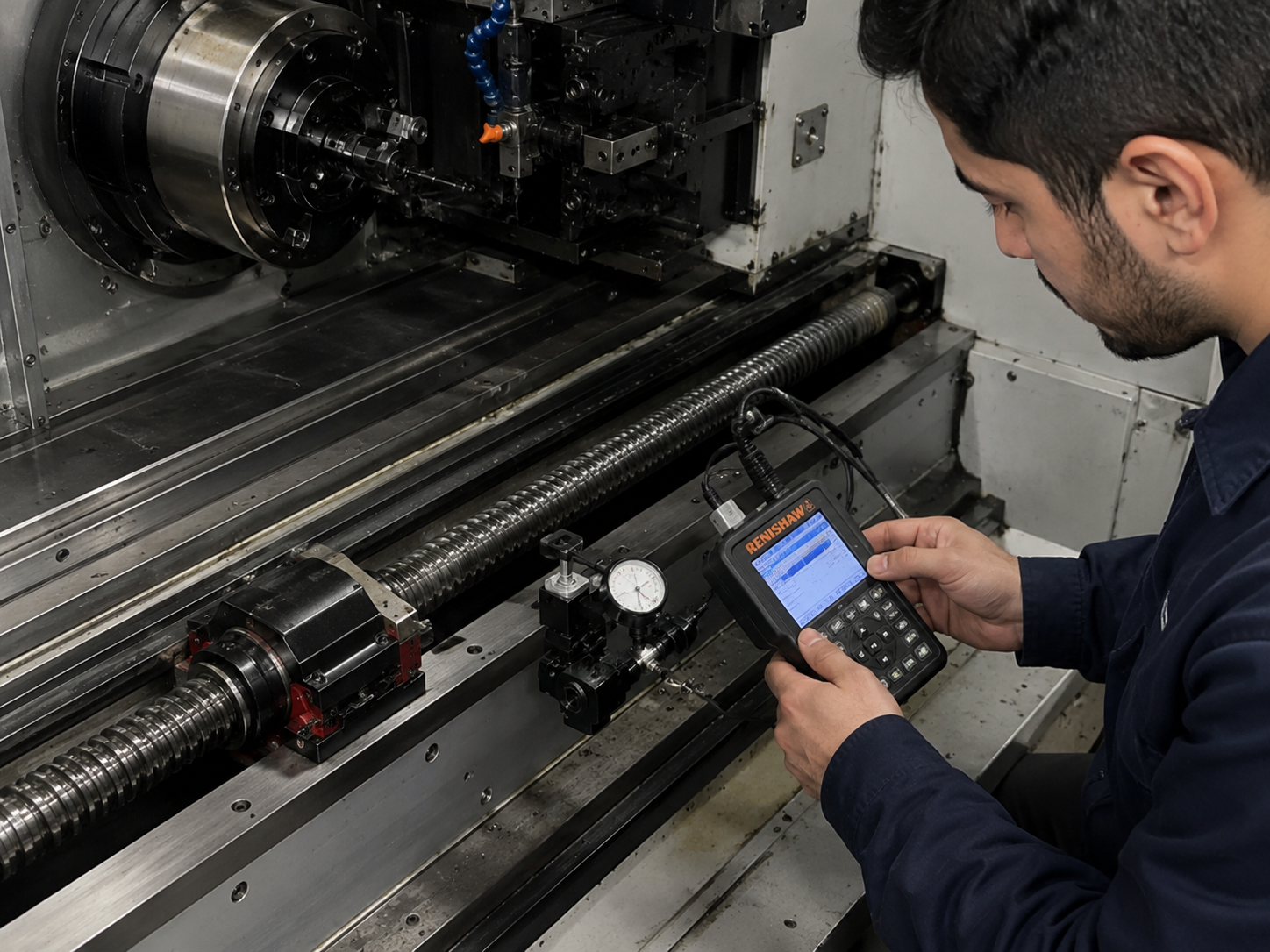
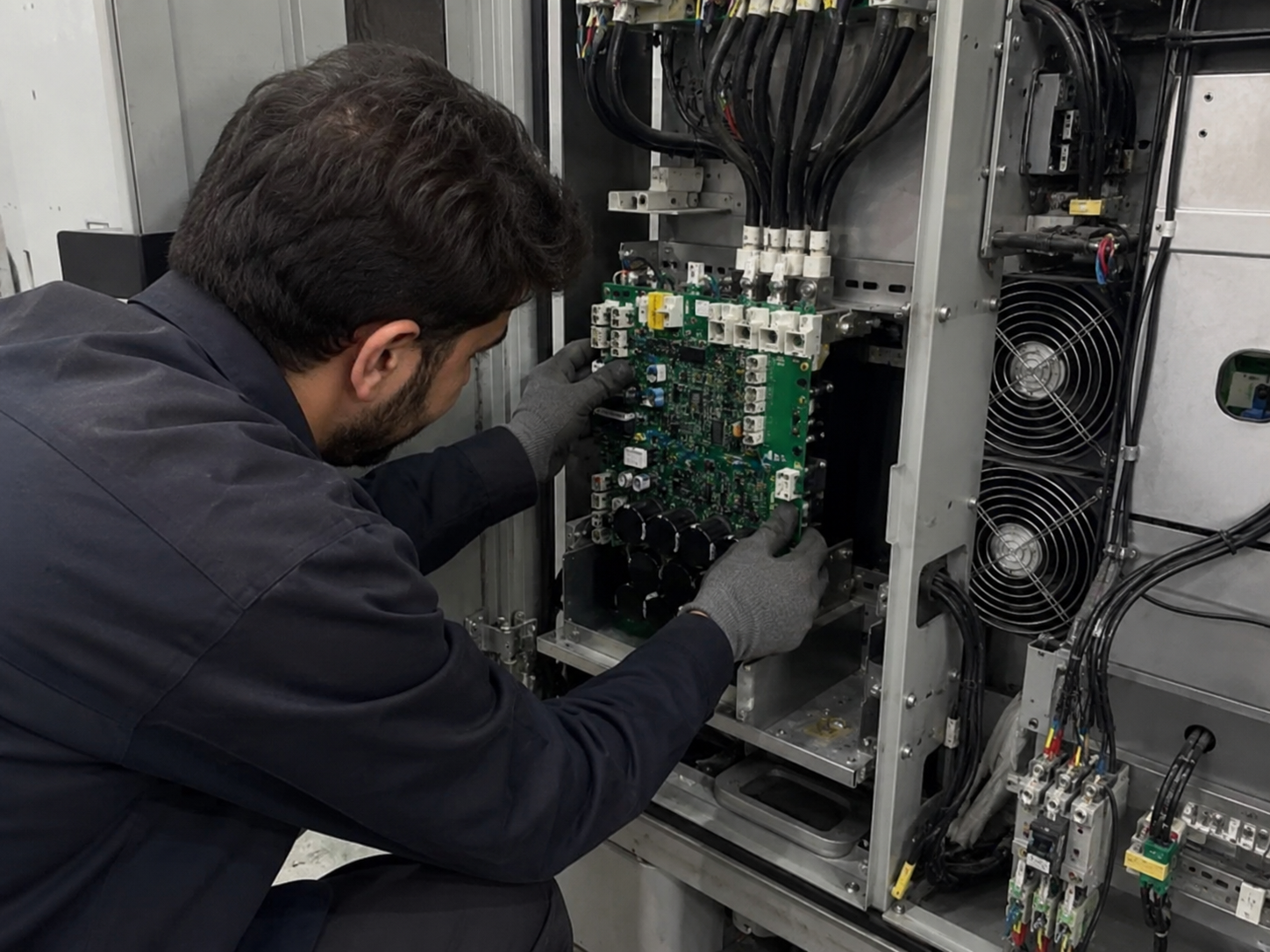
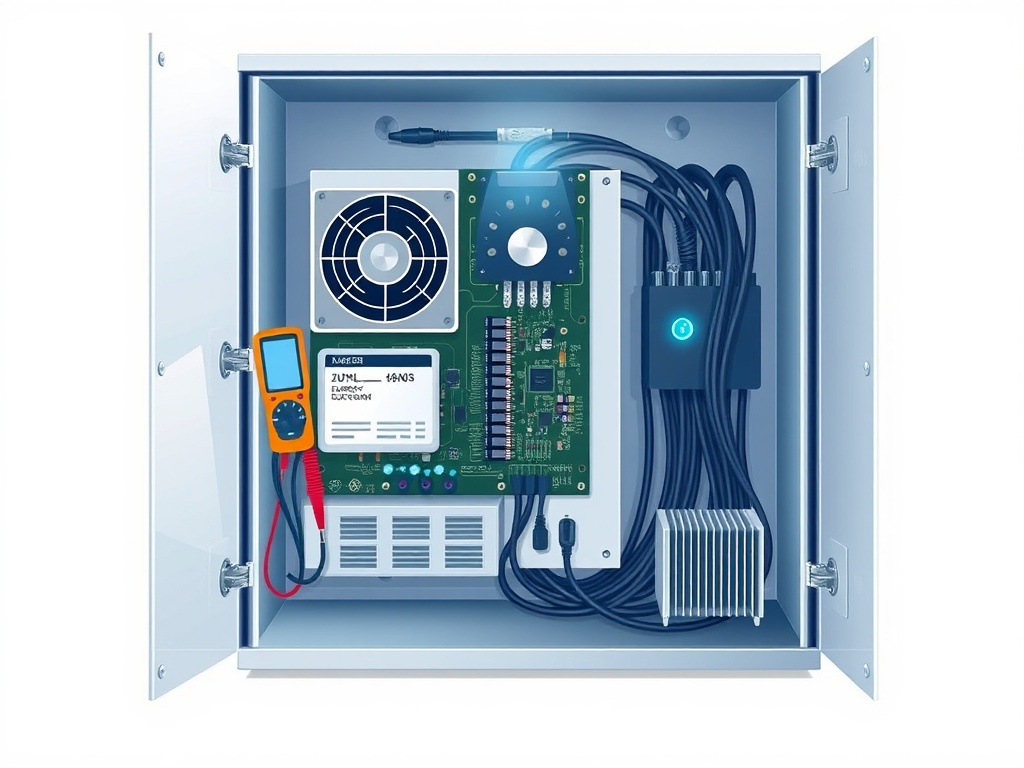
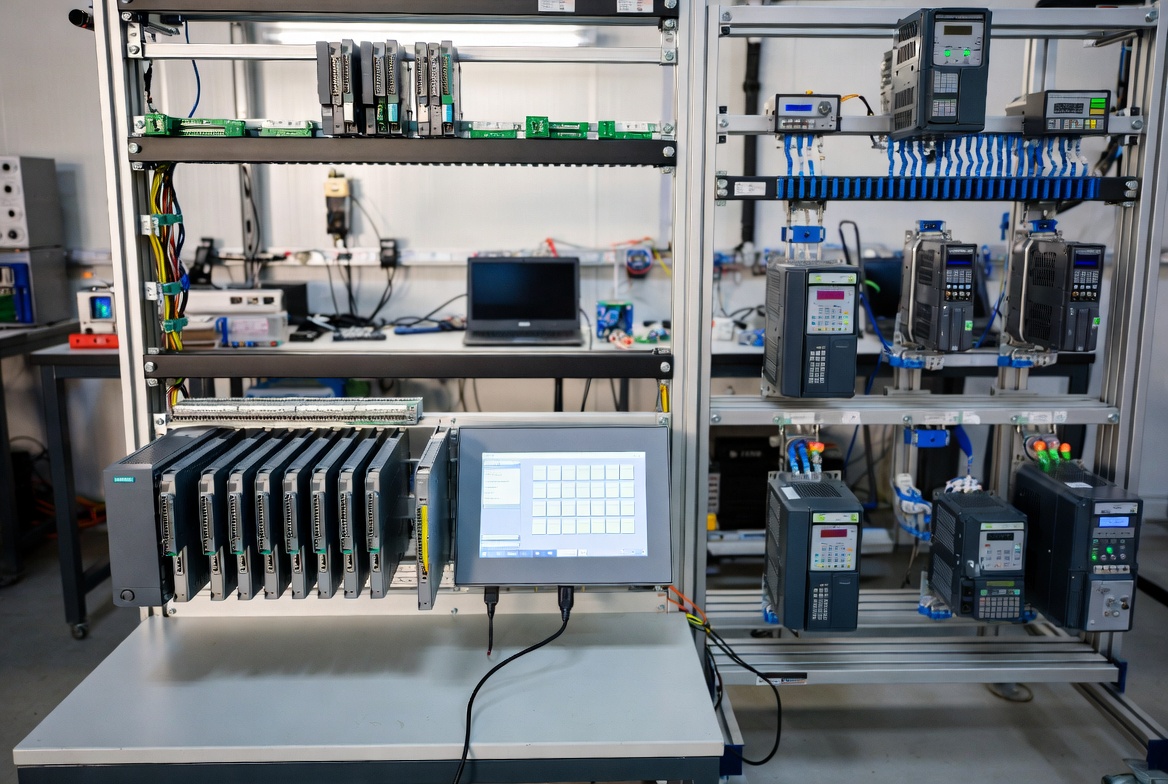
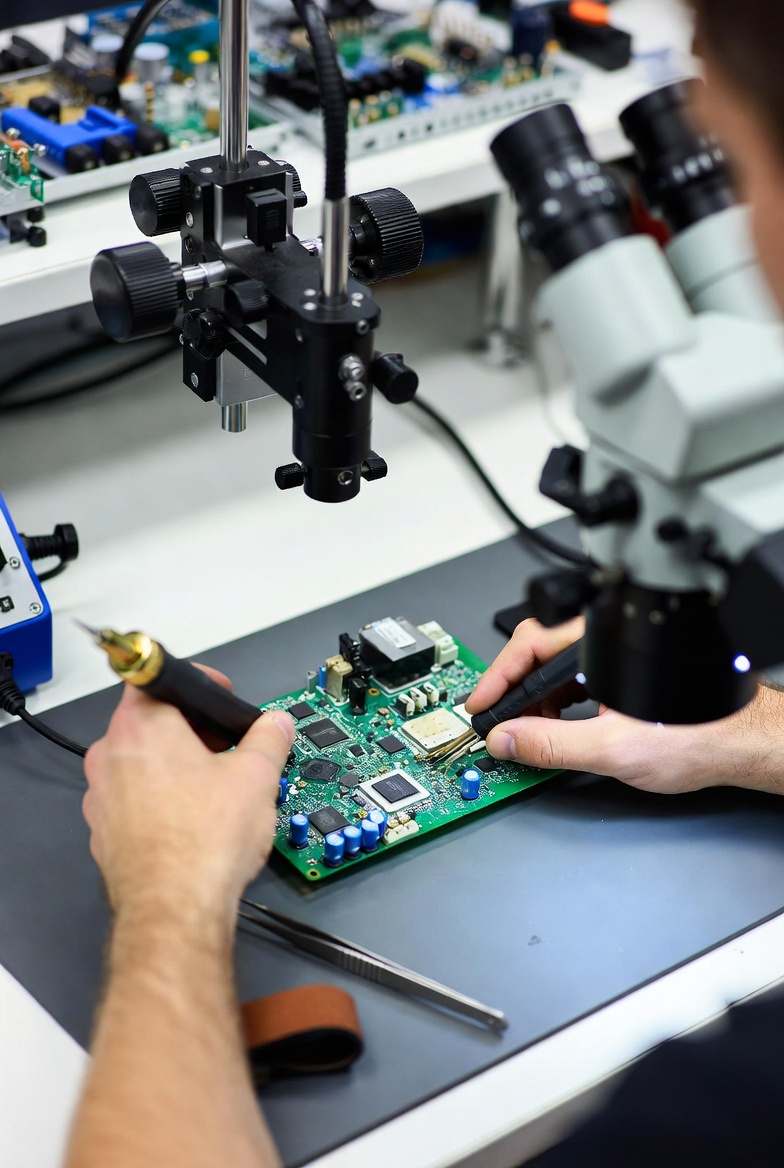
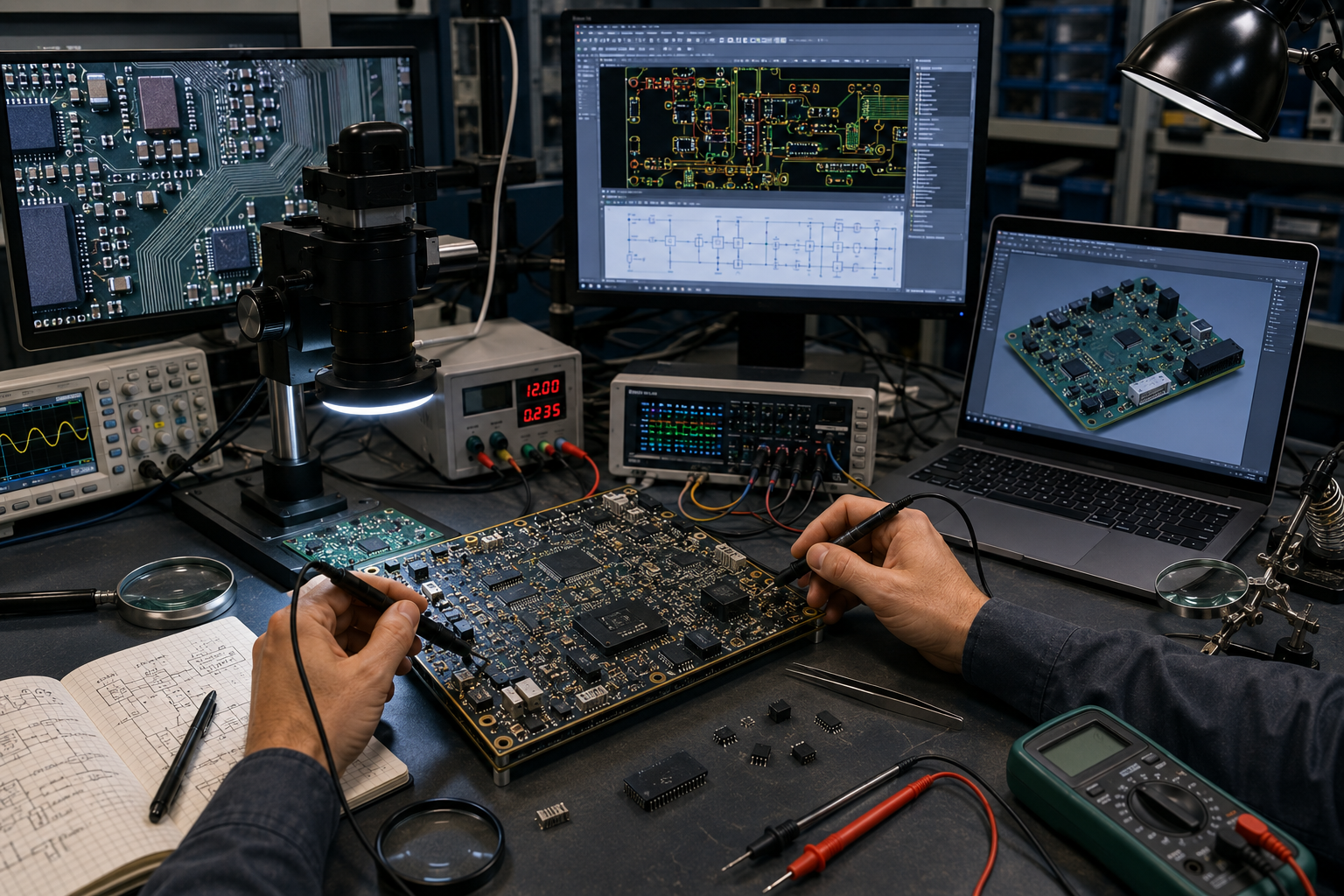
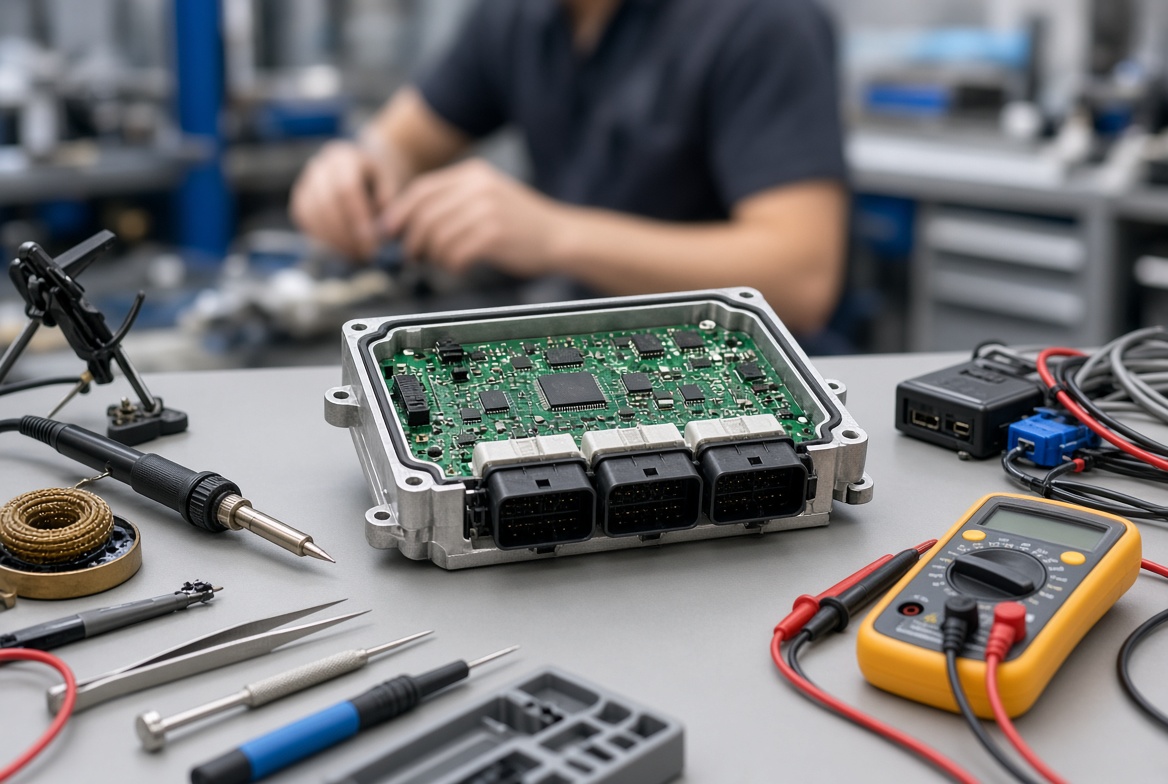
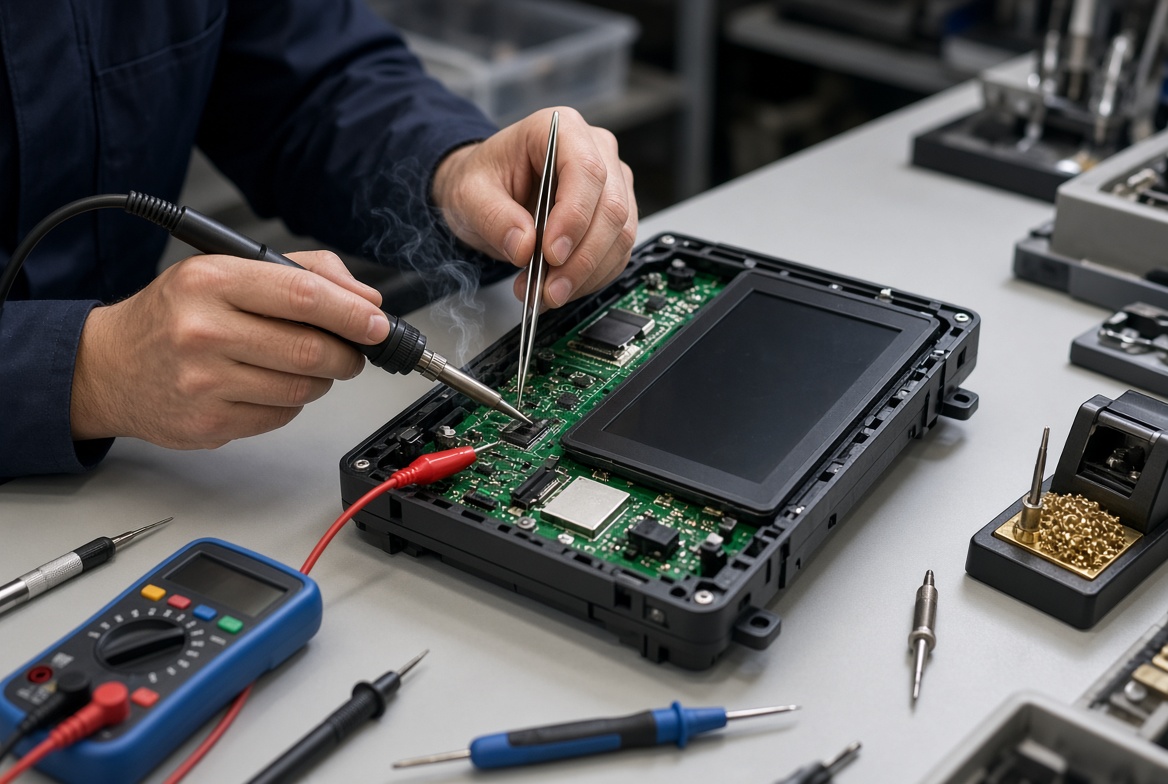
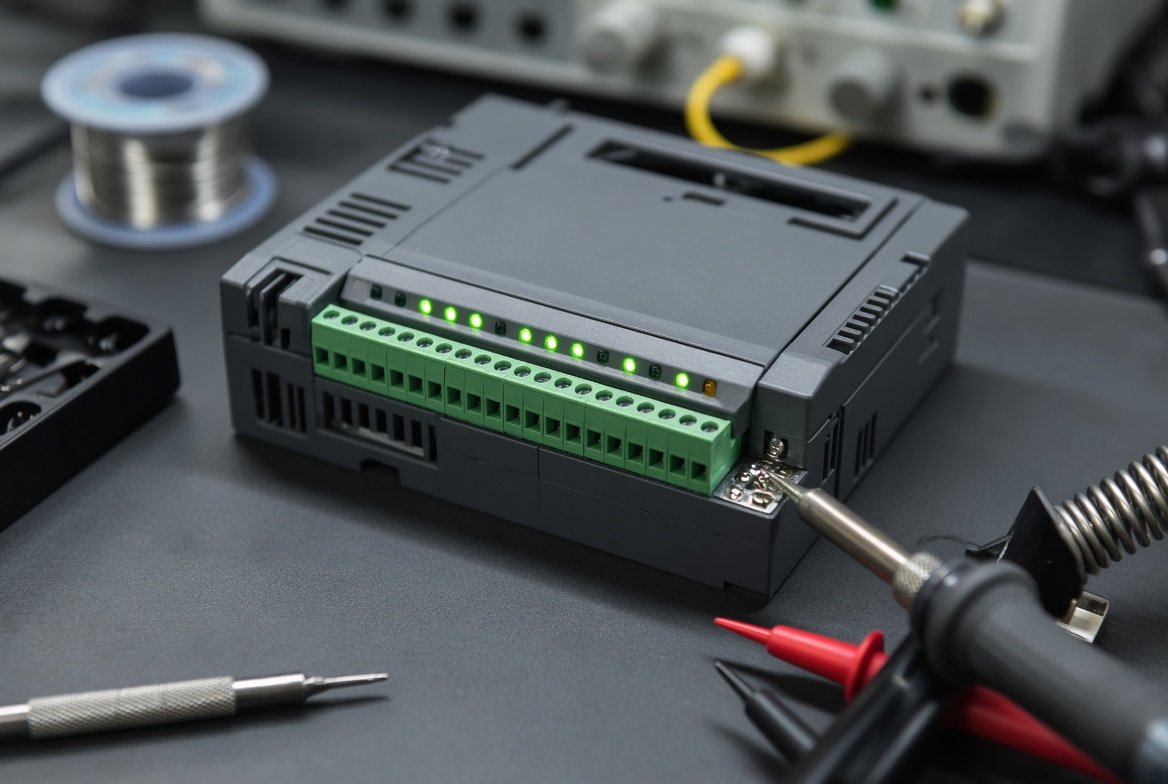
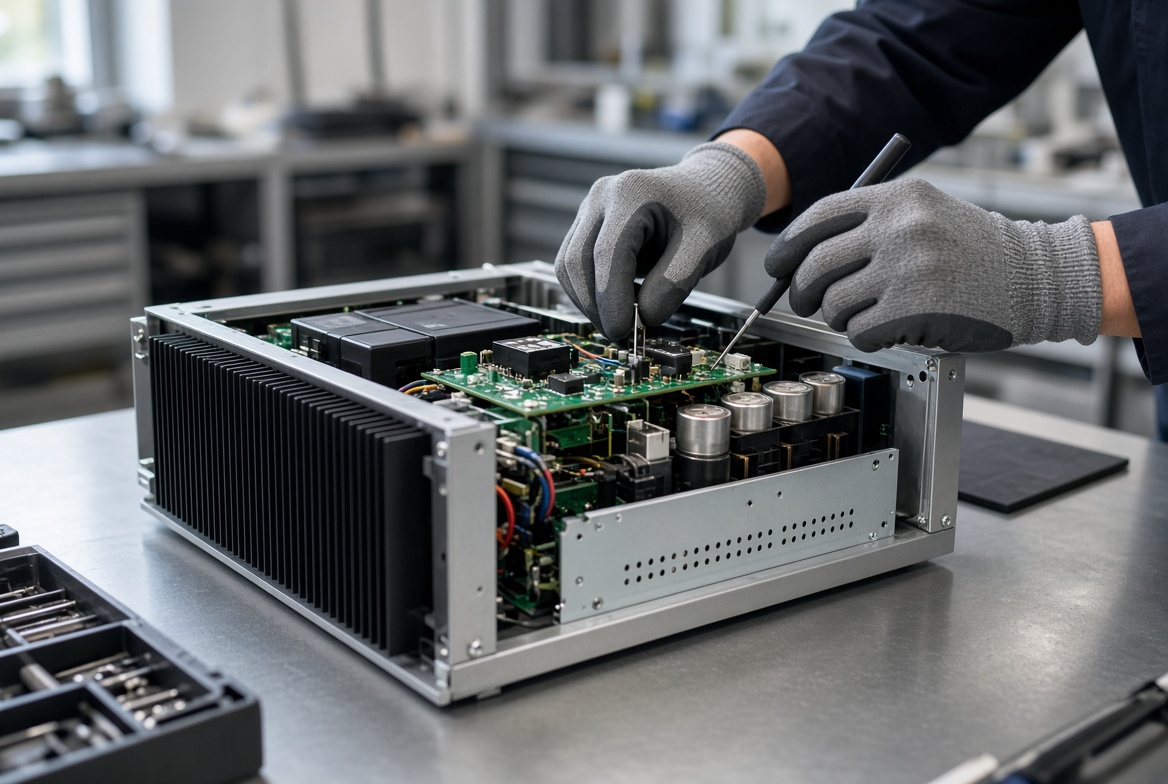
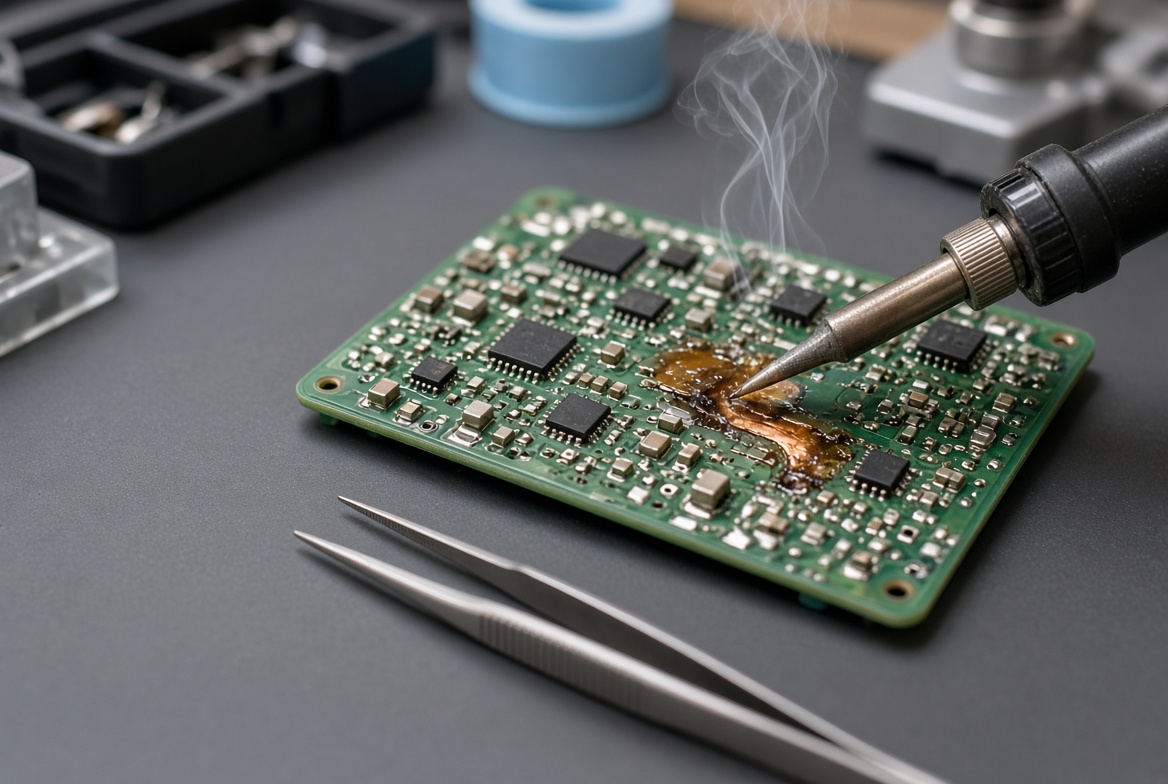
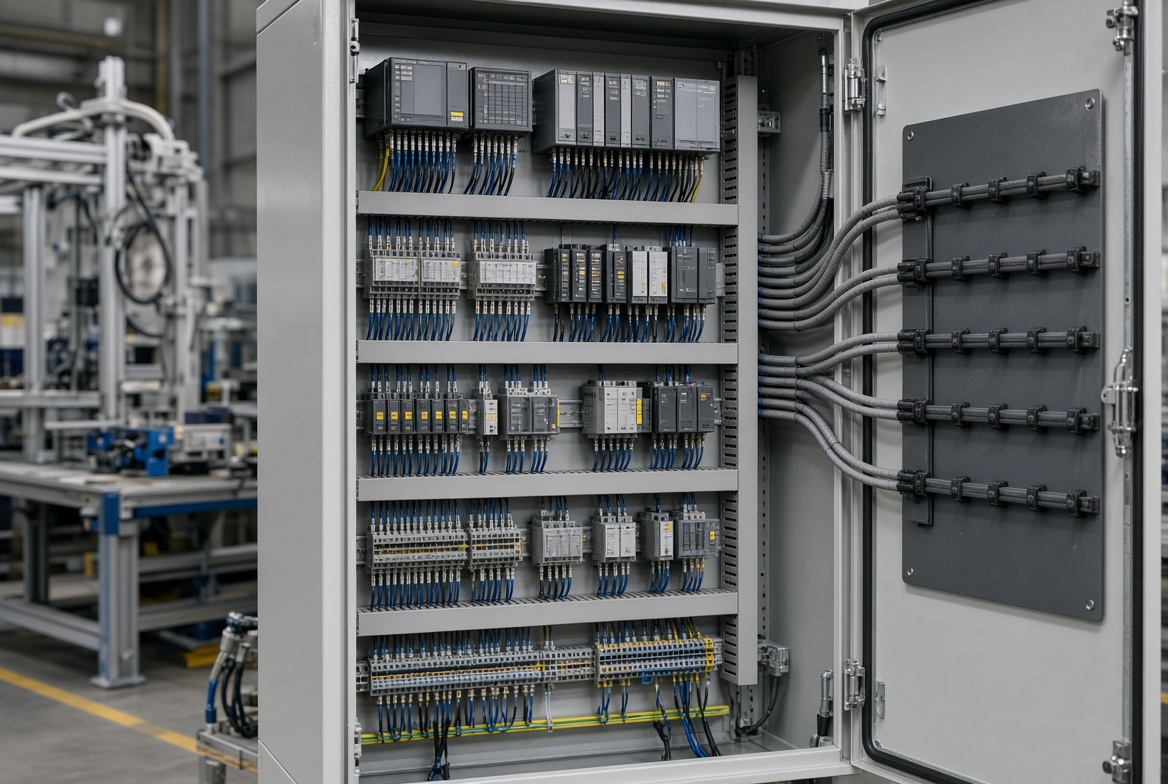
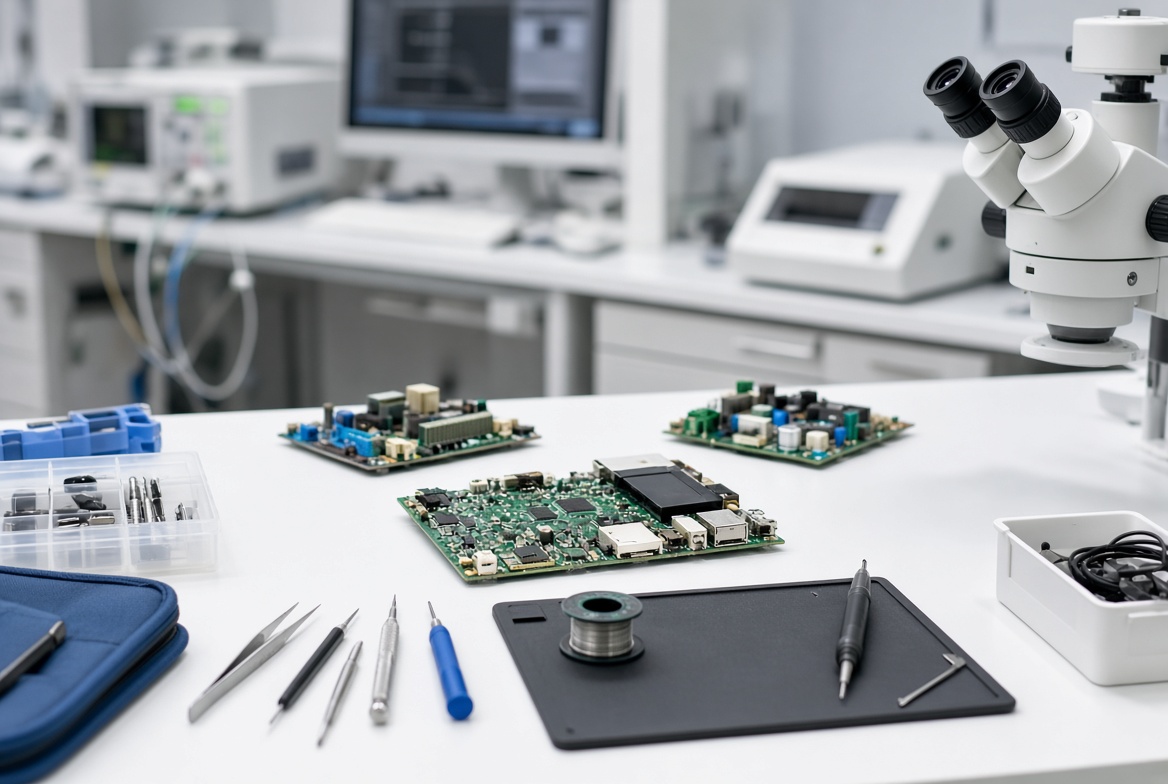
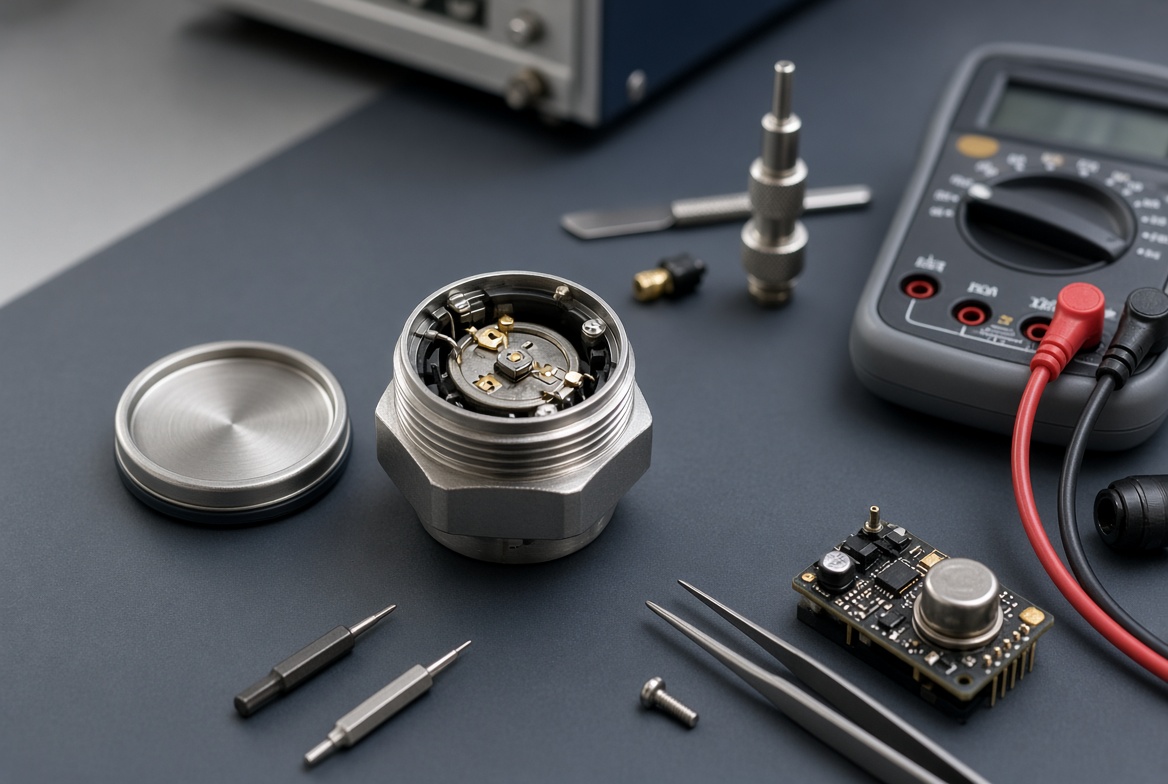
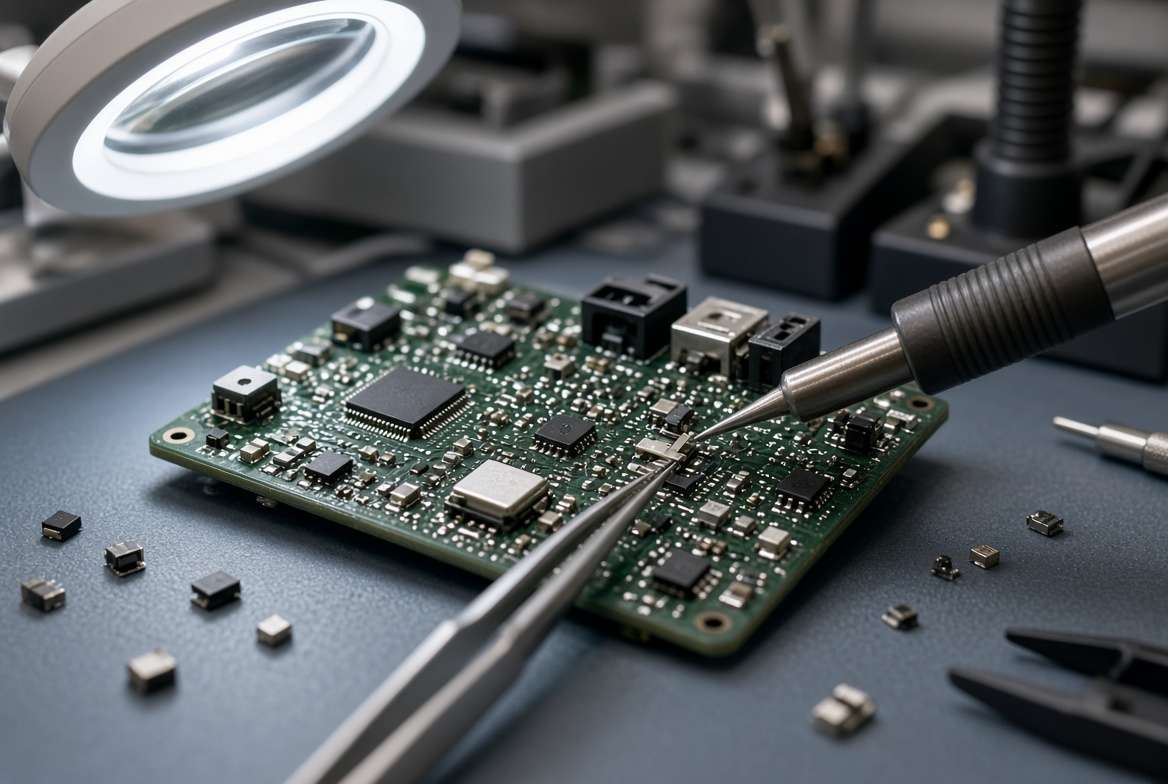
When the original board manufacturer is no longer reachable, schematics are unavailable, or key components have reached end-of-life, reverse engineering is the only viable path to system recovery. This article presents our five-phase methodology in full detail. Phase one partitions the board into functional blocks — power supply, signal processing, communications, protection, and power interface — using physical topology and signal-flow analysis. Phase two covers point-to-point trace mapping with digital microscopes and precision multimeters to regenerate KiCad or Altium schematic files. Phase three addresses BOM migration: locating functional equivalents for obsolete ICs through datasheet analysis, pin-out comparison, and electrical characteristic benchmarking. Phase four details the design of bespoke test benches that simulate the original I/O stimulus, reference voltage levels, and power-up sequencing required to validate repair without access to the original system. Phase five describes the production of a complete service documentation package — revised schematic, updated BOM, test procedure, and on-site troubleshooting guide — ensuring that future failures are actionable by field technicians rather than requiring repeat depot visits.
Comments
No comments yet.