
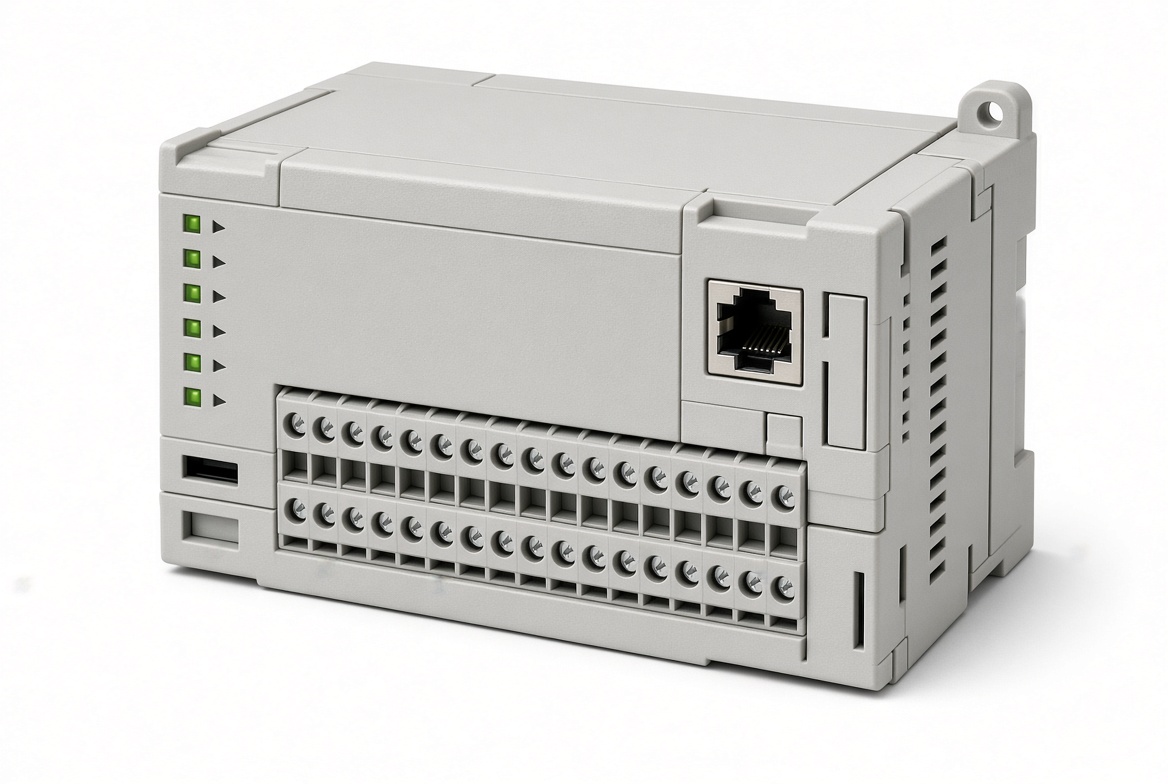
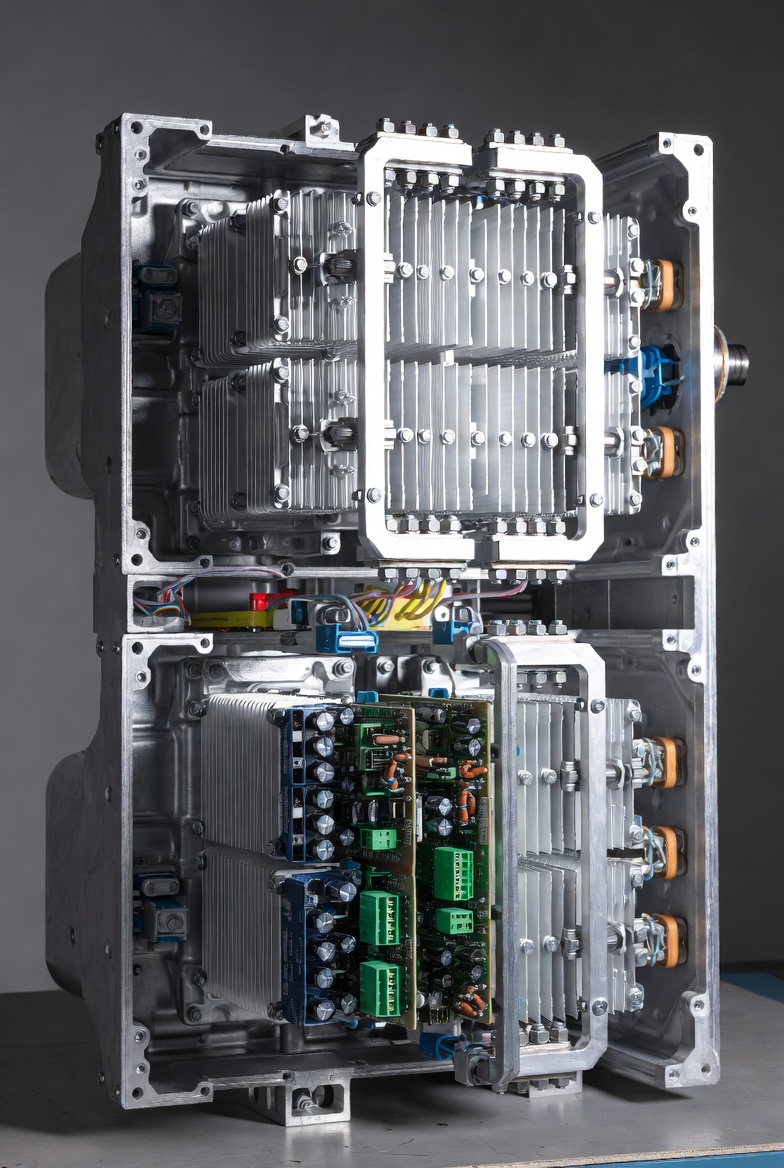

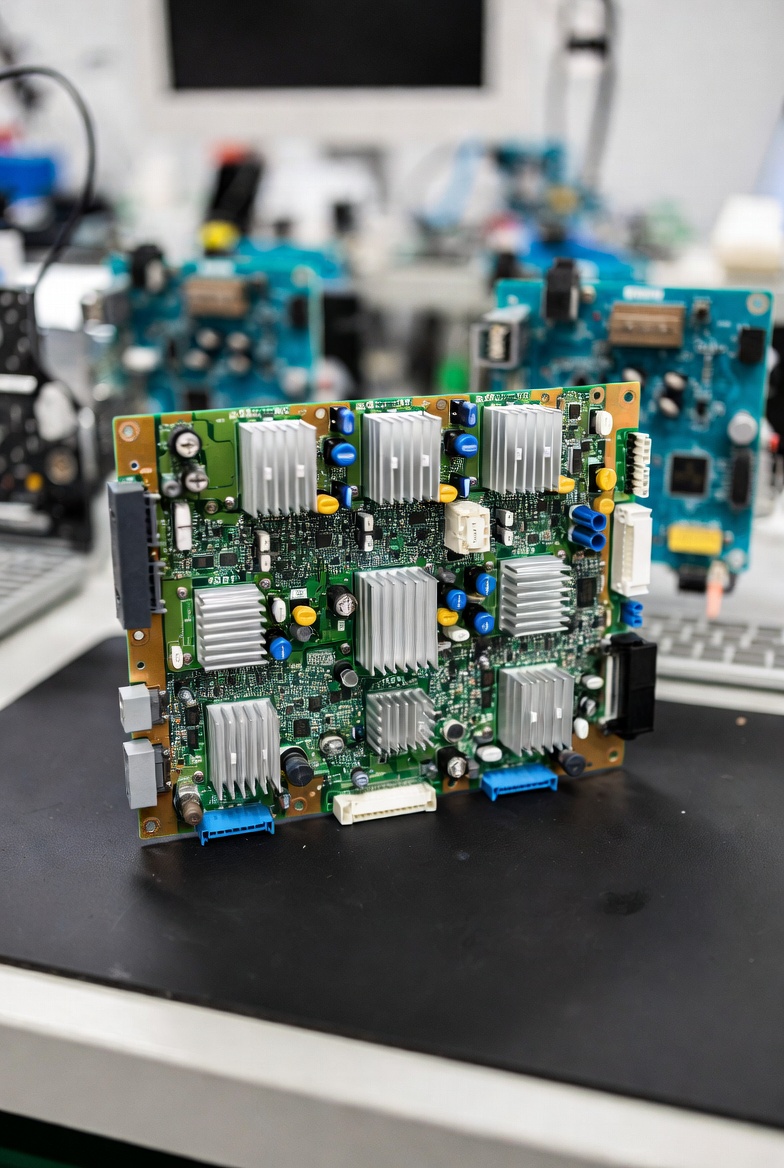
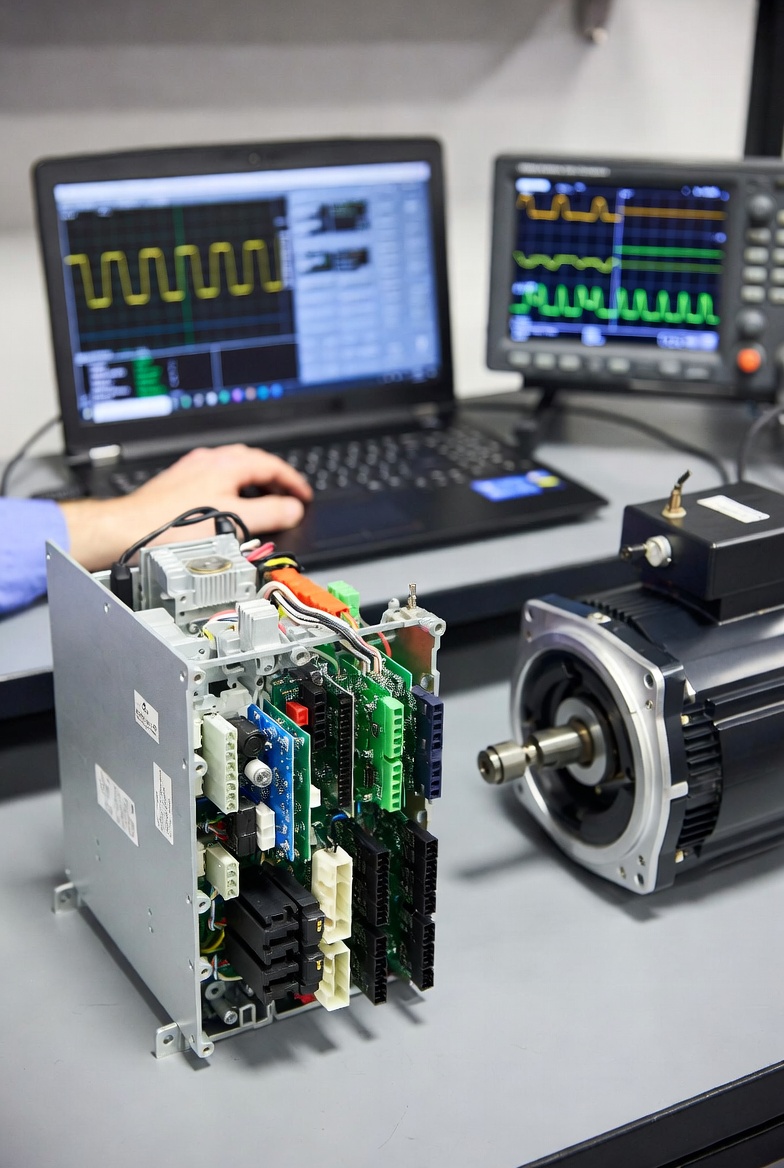
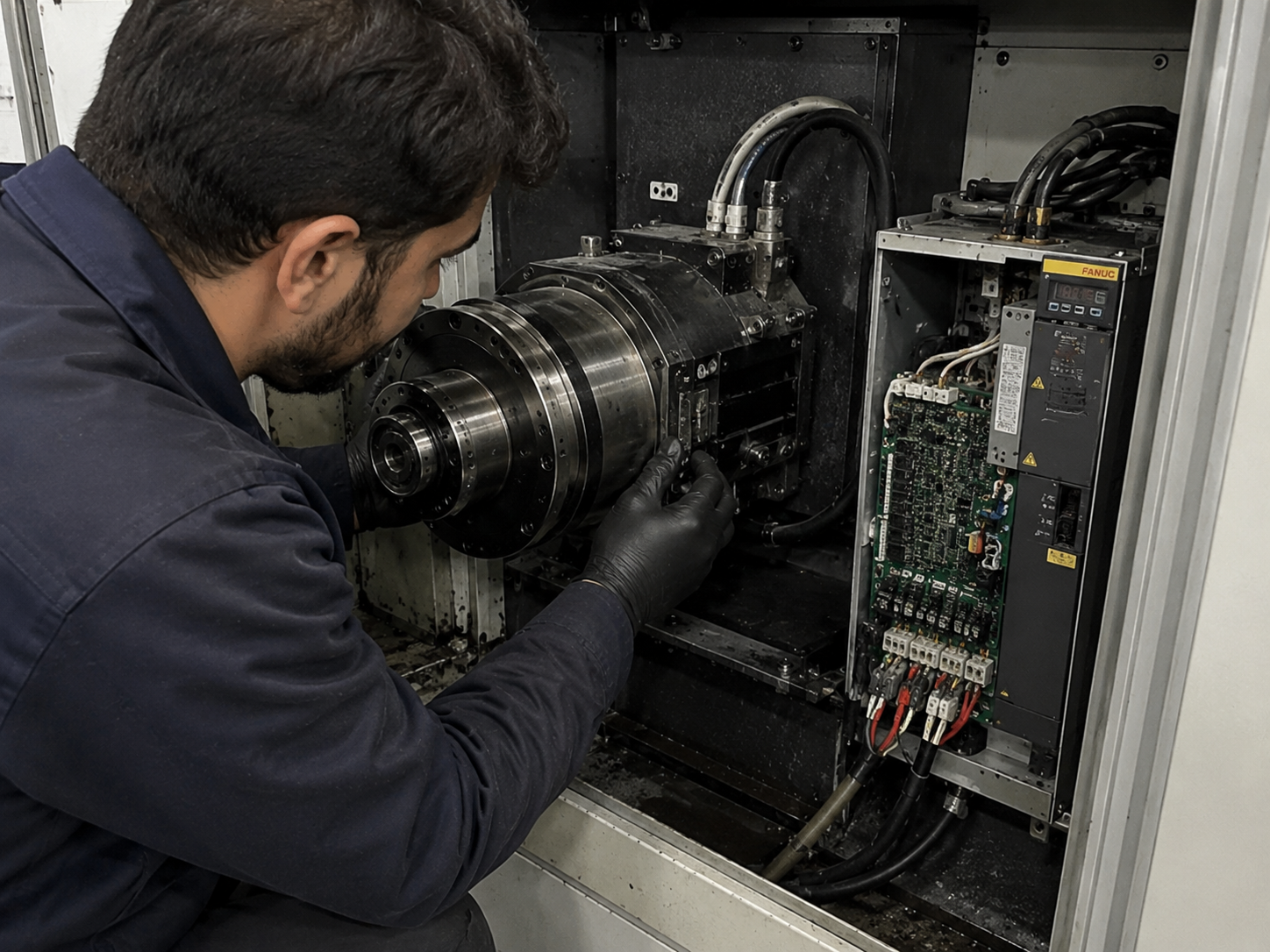
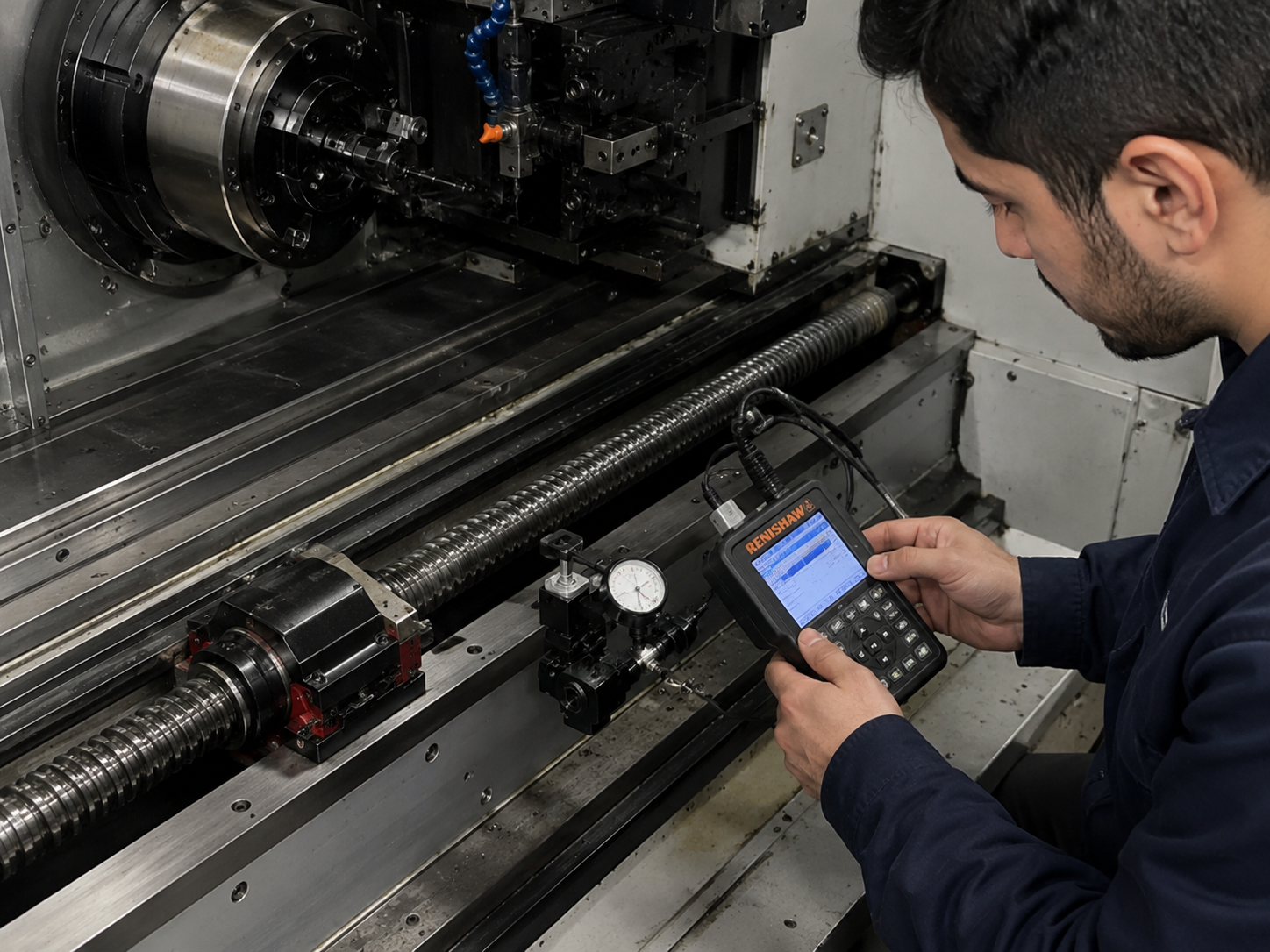
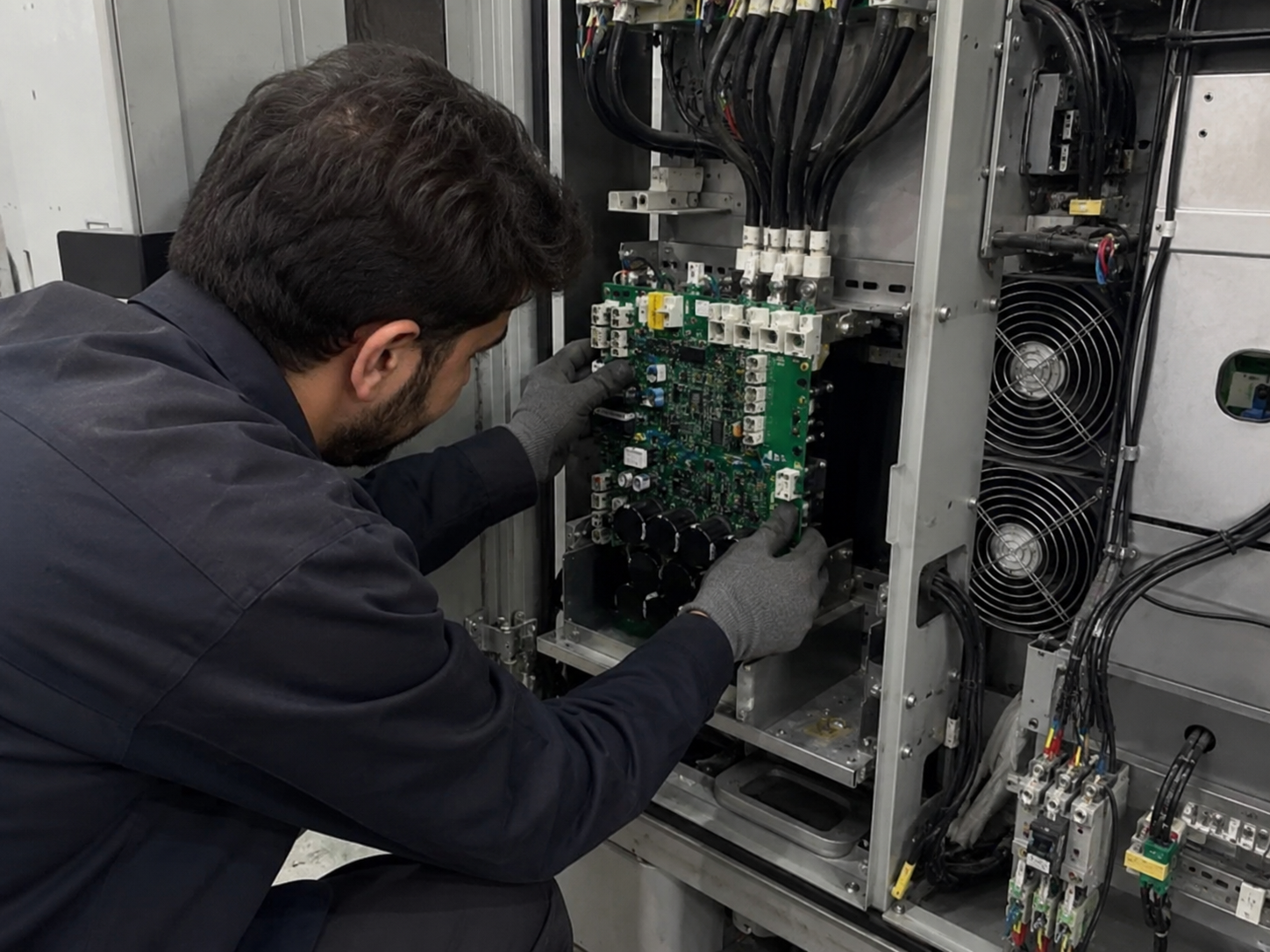
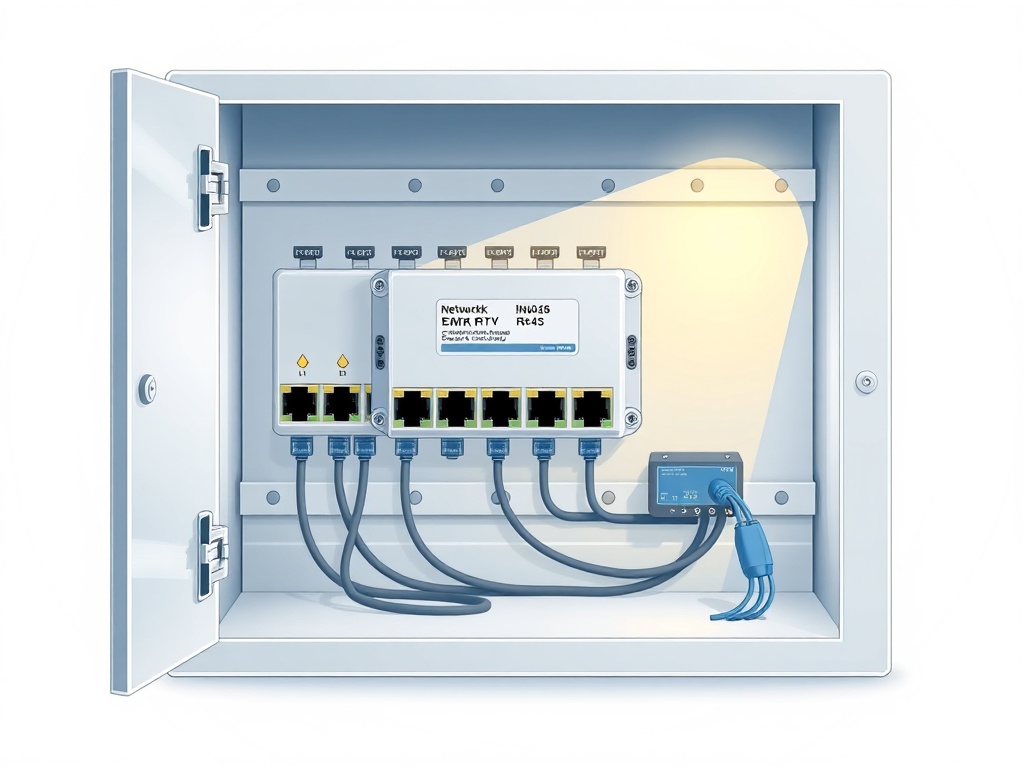
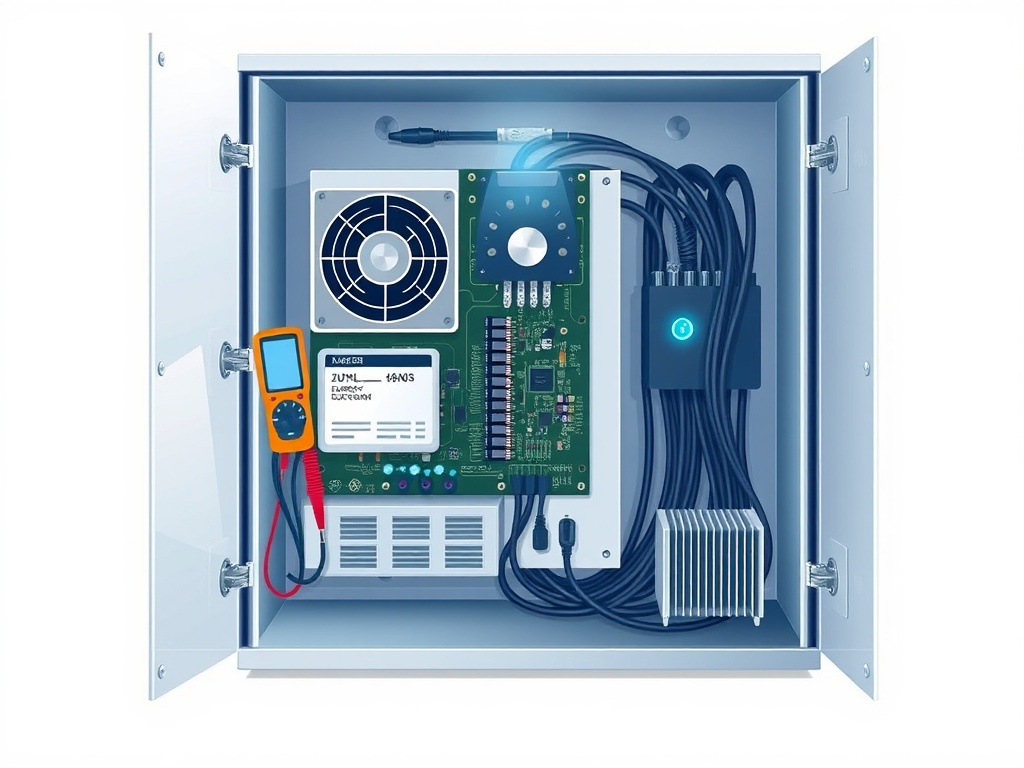
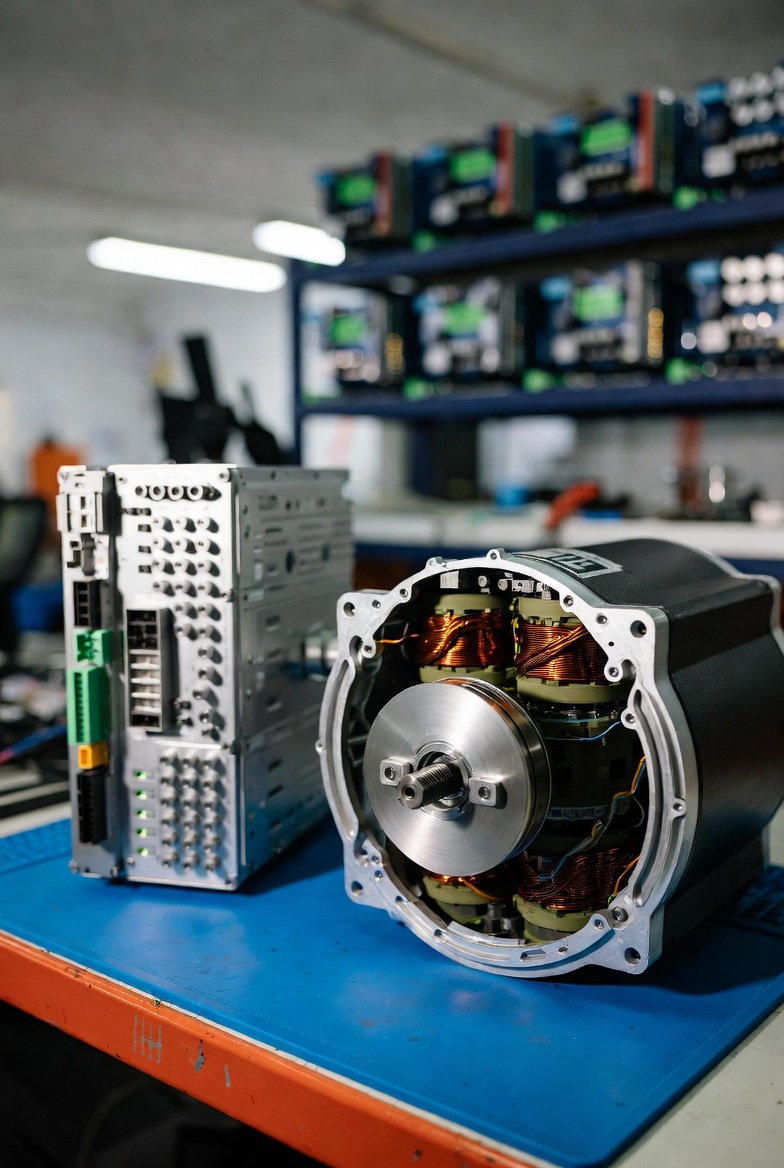
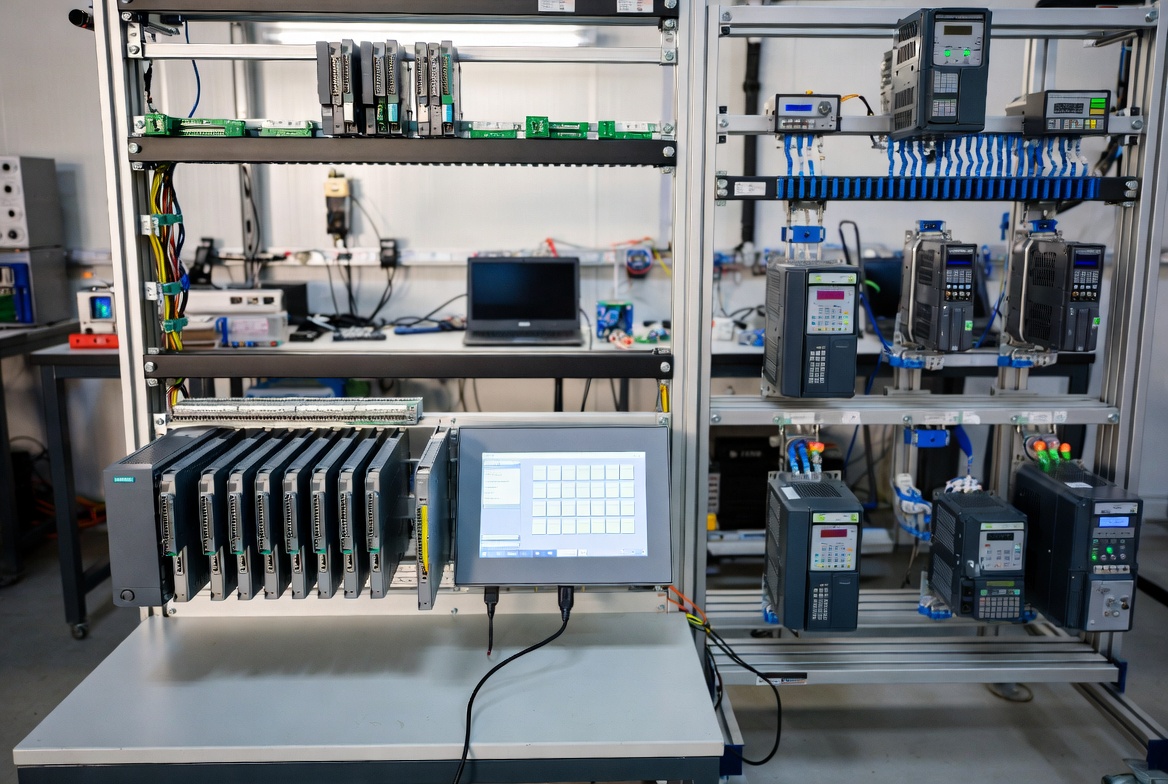
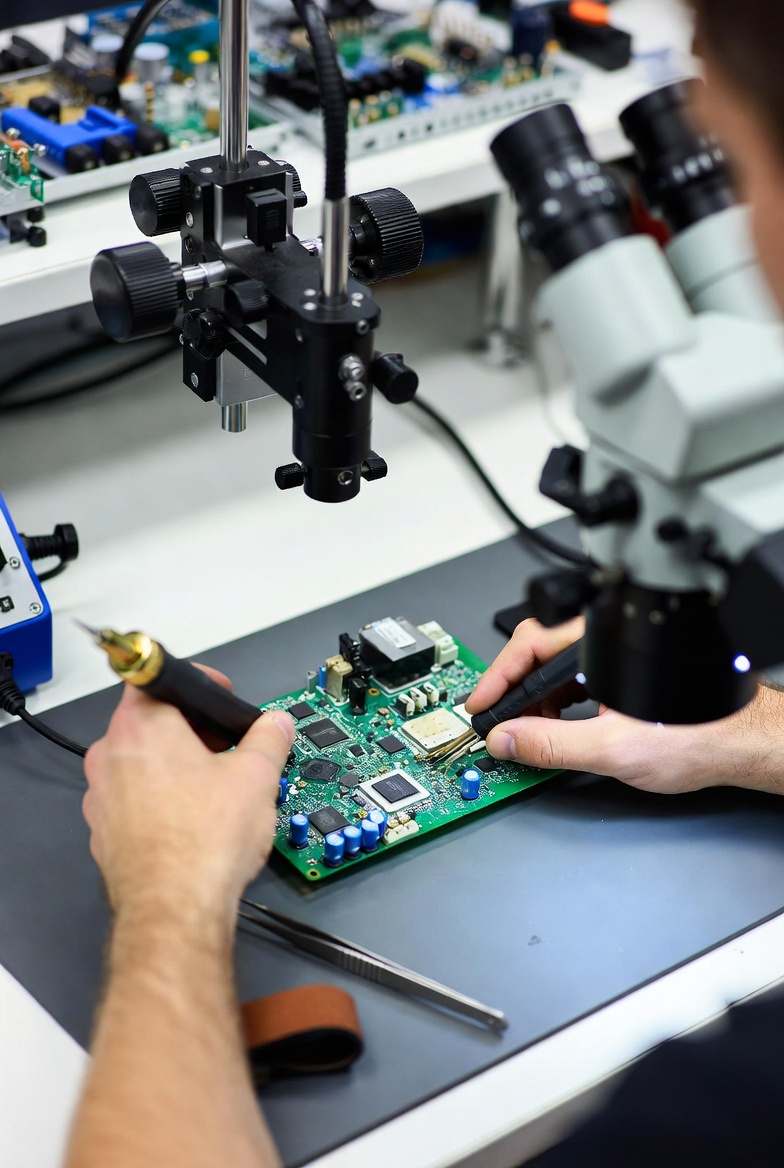
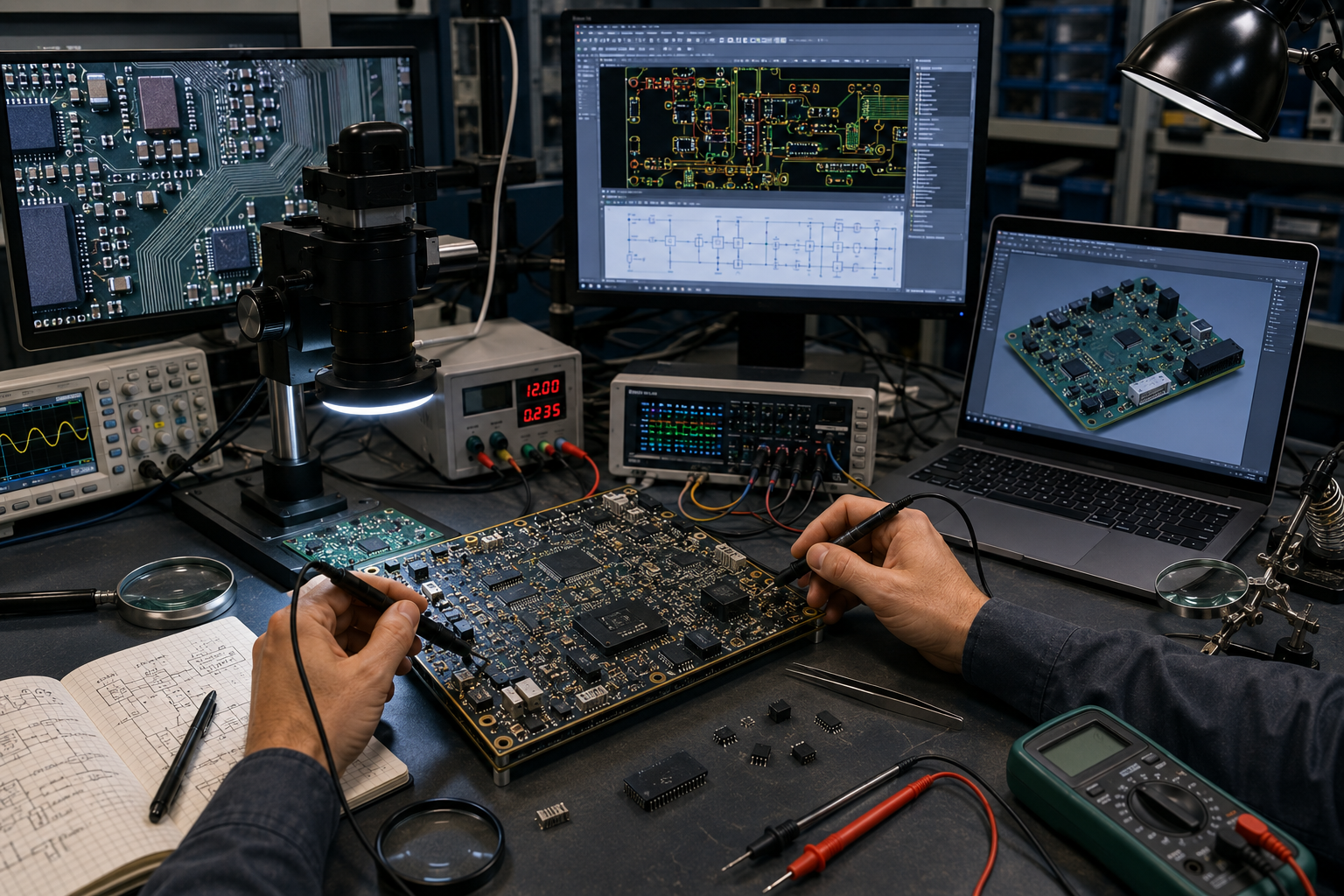
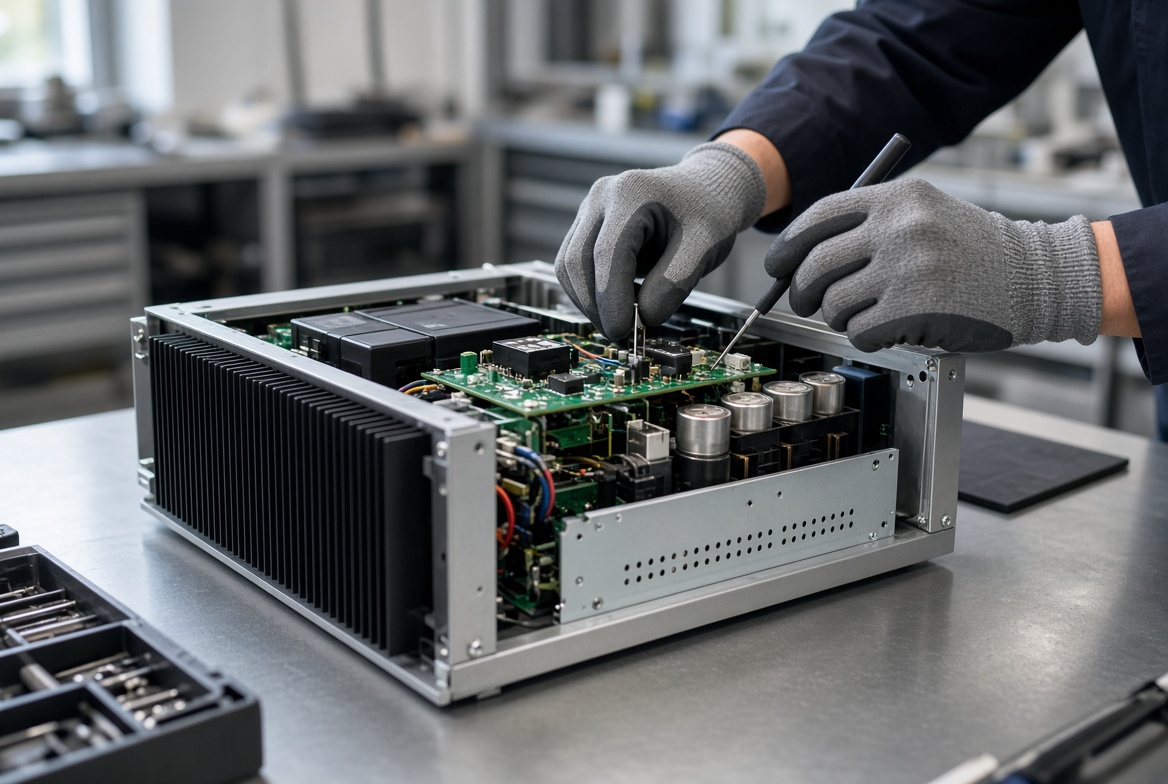
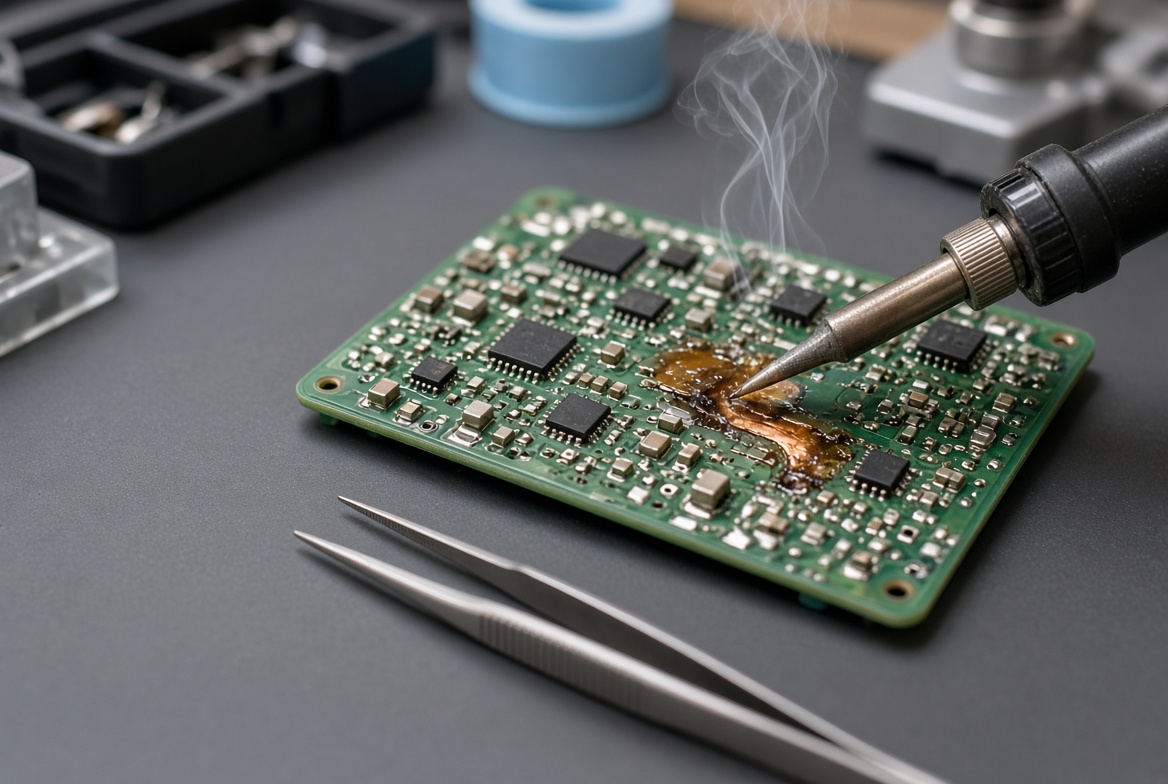

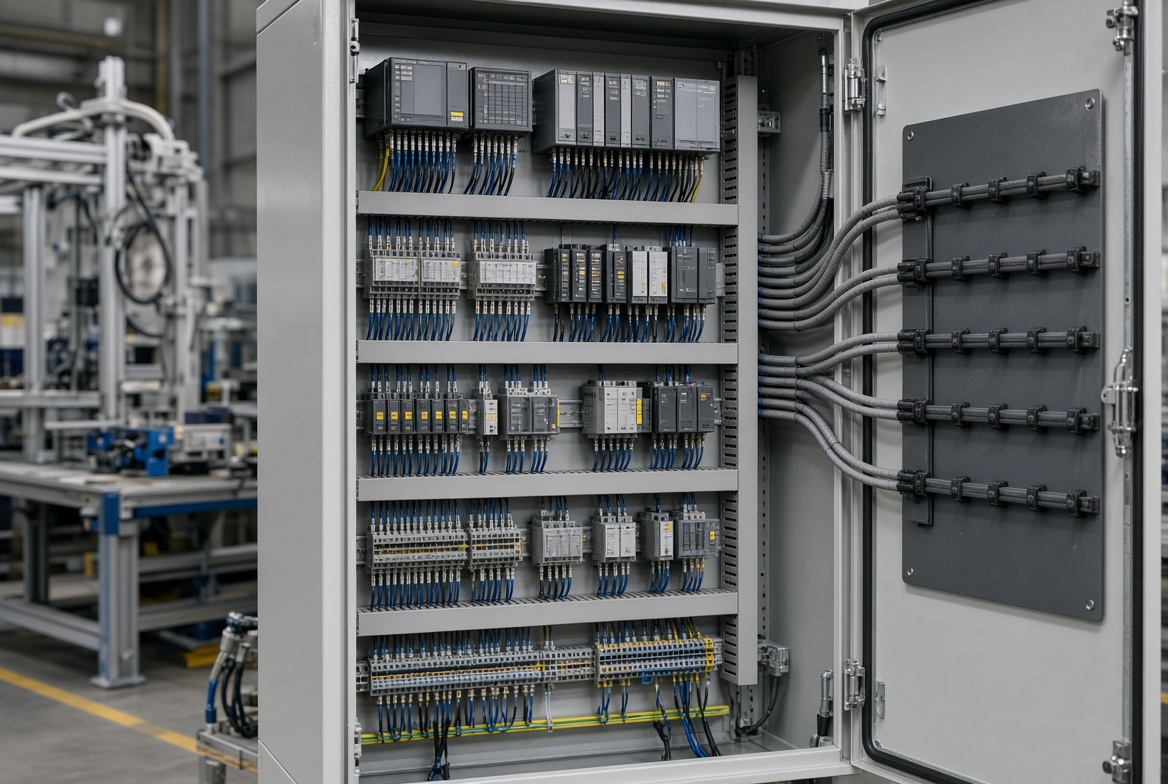

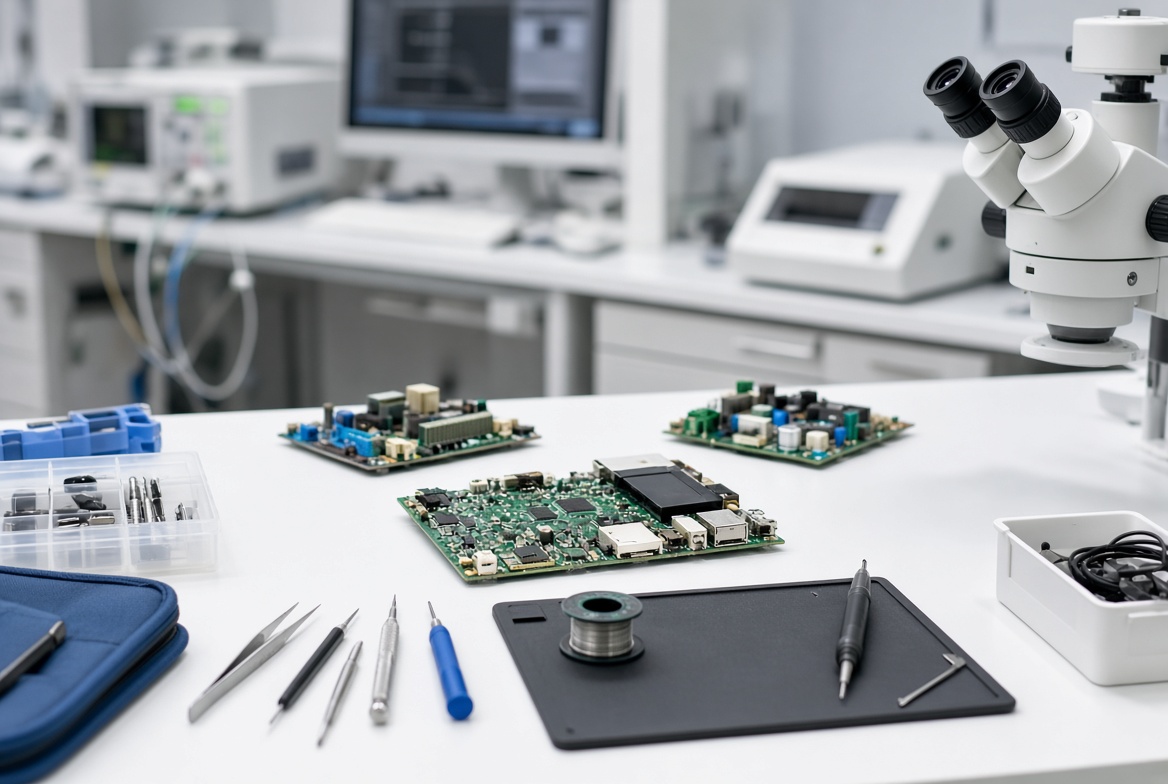


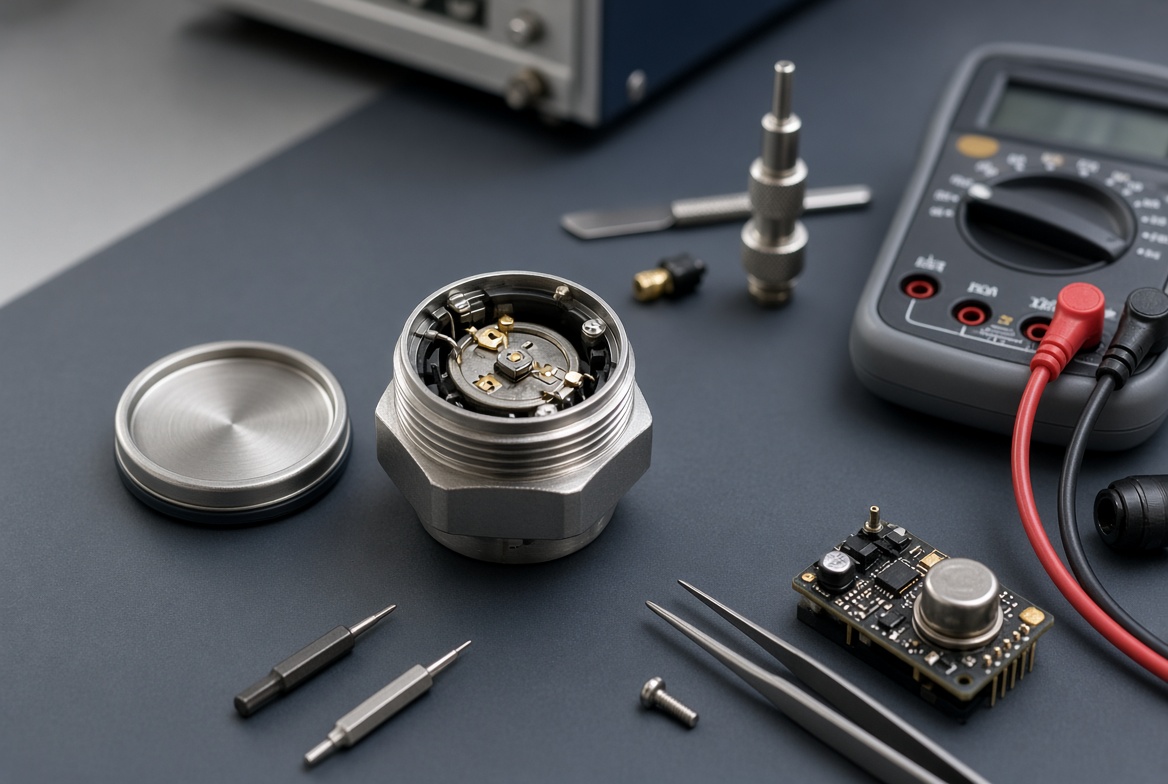

Structured fault train capture before each reset, waveform log analysis, RMS trend correlation, regenerated DC bus anomaly identification, and mapping to suspected faulty components.
The most common cause of a repaired industrial drive returning for the same fault within weeks is symptom-level repair rather than root-cause elimination. This article describes our structured digital fault diary methodology. Before any protective reset, all timestamped active fault codes are extracted from drive memory and logged in a standard format including fault code, timestamp, parameter values at the moment of fault, I/O status, and motor speed. Phase two analyses waveform captures from the Trace port or external data logger: DC bus ripple, phase current, IGBT gate signal, and heatsink temperature. Phase three compares the RMS current trend over several hours against the mechanical load profile to detect subtle anomalies in the early current-rise phase before trip. Phase four cross-references this dataset to map probable faulty components — DC fuses, IGBT modules, braking resistors, or electrolytic capacitors. The article also covers how EMI burst correlation with DC bus regeneration anomalies reveals grounding deficiencies that survive component replacement, and provides both an Excel template and a JSON schema for systematic fault history storage.
Comments
No comments yet.